Rebellions R200 NPU Joins NVIDIA NVLink Fusion, Targets 2028 at SK Telecom
Rebellions will link its Rebel R200 NPUs to NVIDIA GPUs over NVLink Fusion in MGX racks for SK Telecom's AI data centers, with systems expected in 2028. No specs, volumes or prices are public.
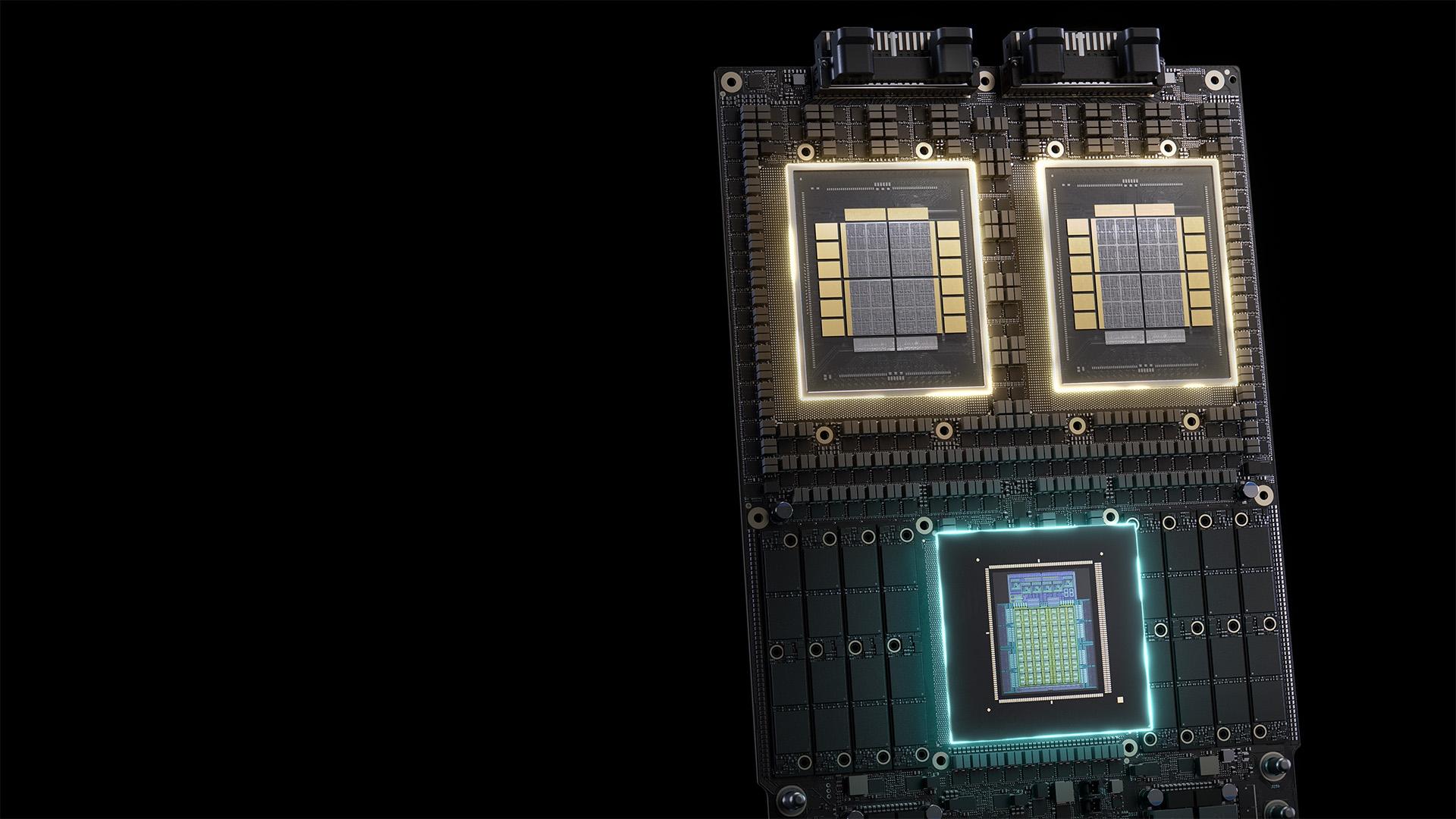
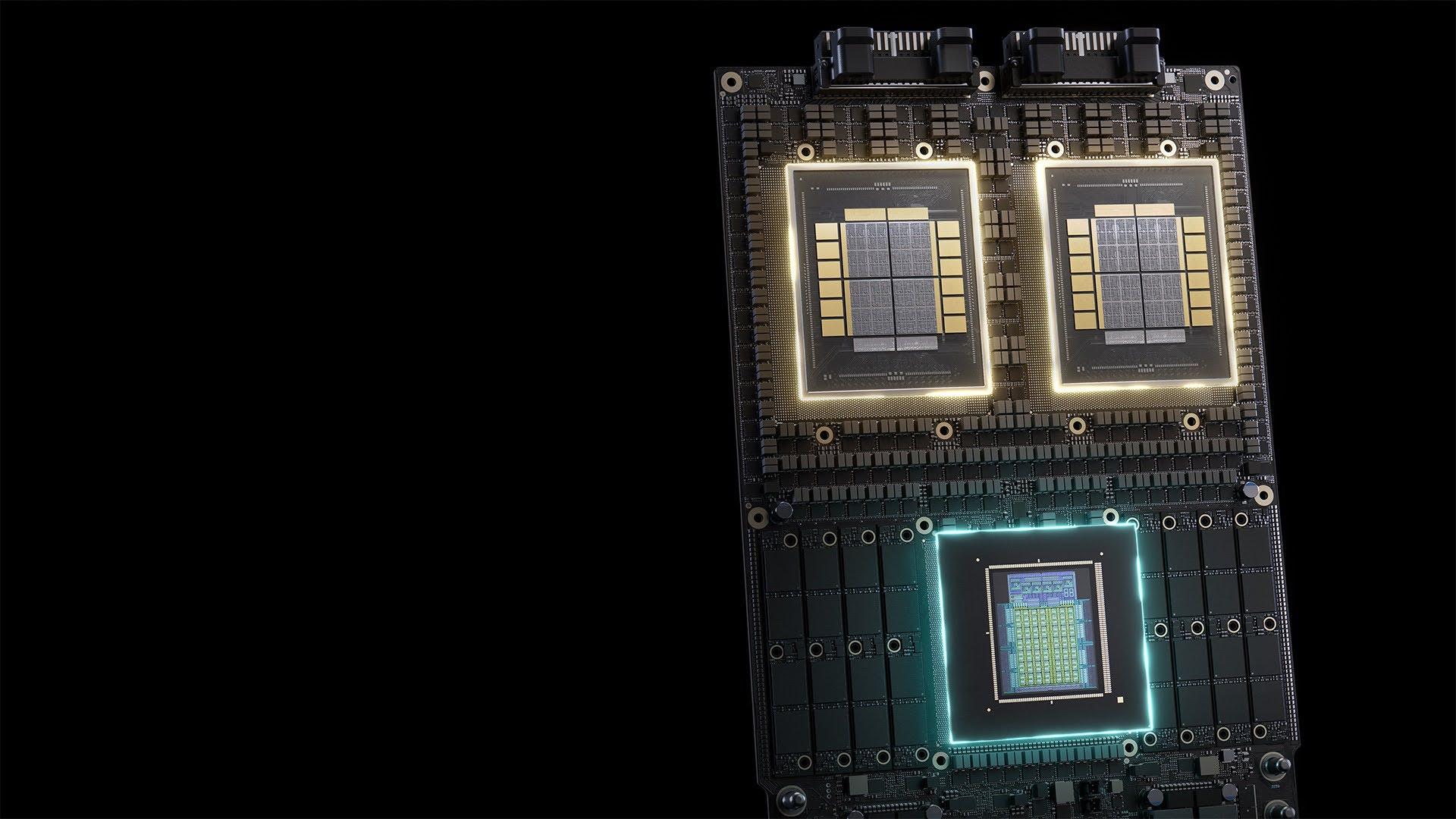
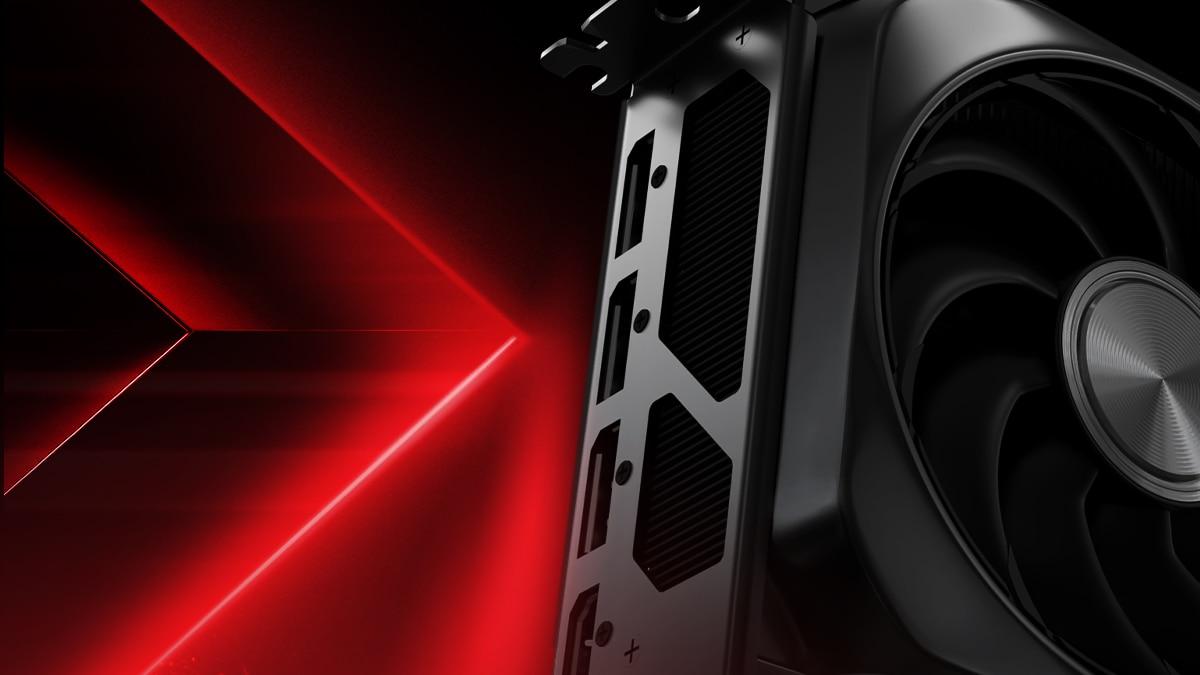
NVIDIA's NVLink Fusion artwork from the announcement release. It is a generic render, not the Rebellions R200, whose design has not been disclosed.
Image: NVIDIA
Source · Press image from the NVIDIA newsroom, used for news reporting.
NVIDIA, Rebellions and SK Telecom said on Nov. 9 that Rebellions will connect its Rebel R200 neural processing units (NPUs) to NVIDIA's platform through NVLink Fusion and build rack-scale systems on NVIDIA's MGX rack architecture, with R200 systems expected to be ready for deployment in 2028.
SK Telecom plans to run the systems in its AI data centers, and South Korea's Ministry of Science and ICT (MSIT) backs the effort. Aju Press, reporting from NVIDIA AI Day Seoul at COEX, said the partners call the project a "Sovereign AI Token Factory" for Korean-language and industry-specific demand. Within a rack, the R200 NPUs would connect over NVIDIA's NVLink scale-up network, the release said.
The partners plan to split inference between GPUs and NPUs in shared MGX racks, with R200 systems expected ready in 2028, according to NVIDIA and Aju Press.
The partners also plan to split inference between the two chip types. NVIDIA GPUs would handle prefill, the compute-heavy step that processes the prompt, while Rebellions NPUs would handle decode, the token-by-token generation step. The companies say the split improves throughput and power efficiency, and Aju Press adds a lower total cost of ownership. Those are design goals: the announcement contains no benchmark results.
What NVLink Fusion and MGX change for the rack
NVLink Fusion is NVIDIA's program for putting non-NVIDIA processors on its scale-up fabric. NVIDIA introduced it at Computex in May 2025, with MediaTek, Marvell, Alchip, Astera Labs, Synopsys and Cadence named for custom silicon and IP, and Fujitsu and Qualcomm for custom CPUs, according to NVIDIA. Rebellions was not on that launch list, so its R200 is a later addition to the program.
The practical point is the rack. NVIDIA says MGX supplies shared design elements for GPU and NPU systems, including rack footprint, power delivery and cooling. A Korean NPU that fits those elements can sit in the same data hall, on the same power and cooling plan, as NVIDIA GPUs, and Rebellions gains access to MGX's existing server makers and component suppliers rather than building its own supply chain. For SK Telecom, the facility design question becomes how to mix two chip types in one rack design, not how to build a separate one.
Where it sits among non-NVIDIA inference chips
Rebellions is one of several Asian and US chip startups aiming at inference. Voltgrid reported on FuriosaAI's $620 million Series D for its RNGD chips, and on SambaNova's SN50 systems with Supermicro. The Rebellions plan differs in that it chooses to attach to NVIDIA's fabric instead of competing with it. The release describes Rebellions as backed by Aramco, Arm, Kindred Ventures, KT, Mirae Asset Group, Samsung, SK Hynix and SK Telecom, and names the Rebel100 as its current flagship, a chiplet design.
What is not confirmed yet
None of the three companies disclosed the R200's performance, memory, power draw or process node, nor how many systems SK Telecom will deploy, where, or at what cost. Digital Today described the R200 as still under development, and the 2028 date is a readiness target, not a shipping commitment. NVIDIA's release also carries standard forward-looking-statement caveats from NVIDIA and SK Telecom. The R200's power per rack, which sets the cooling and grid load SK Telecom's sites must supply, is the number to watch once Rebellions publishes specifications.