Winbond Chairman Says He Hopes Memory Prices Have Peaked
Winbond chairman Arthur Chiao said on Nov. 7 that AI buyers can absorb memory price rises but phone and PC buyers cannot, and he sees AI demand firm through 2028 with 2029 the risk.
Chips & Power DeskEdited by Ege Erten
2 min readAI-assisted
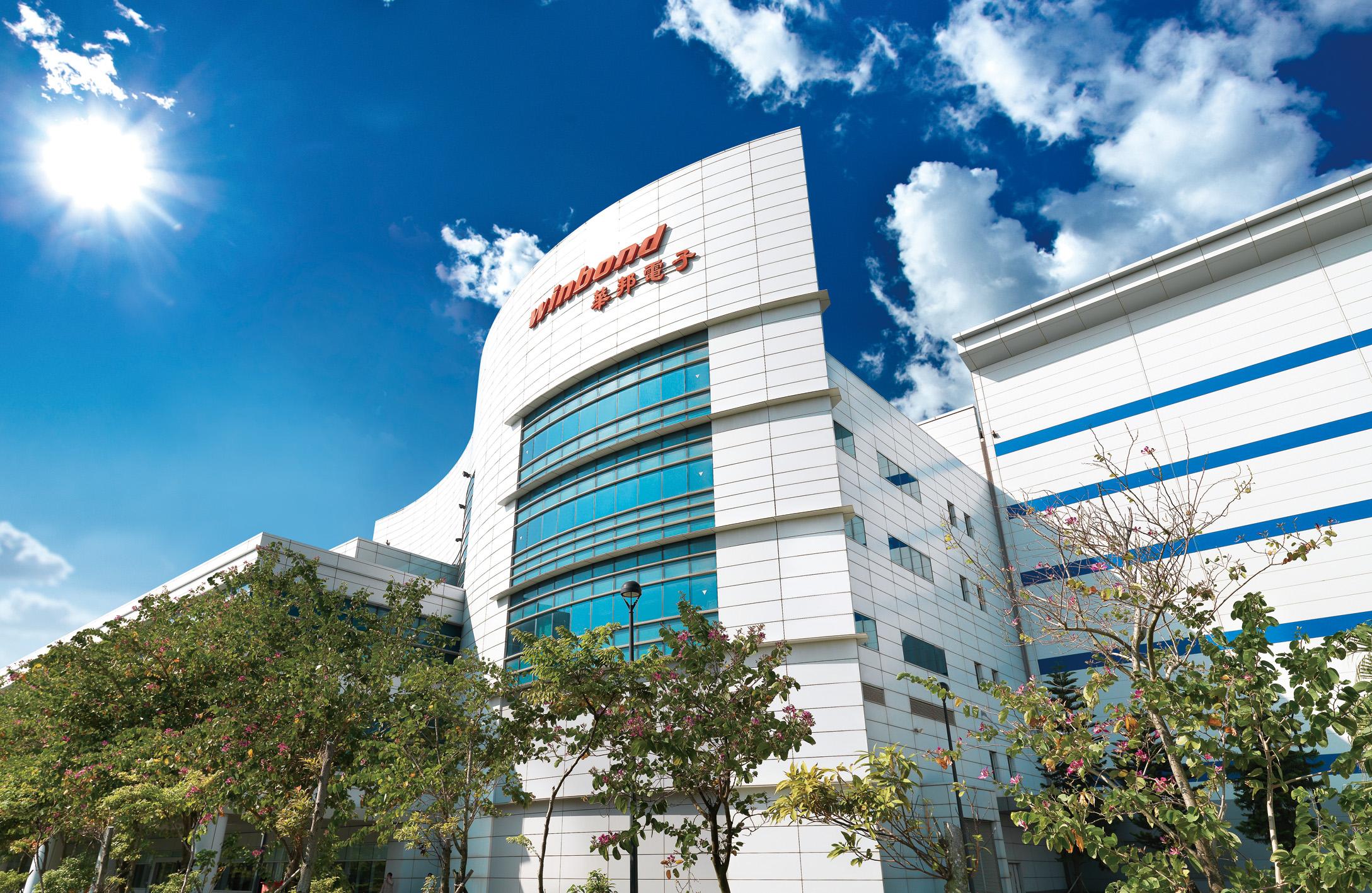
Winbond's Central Taiwan Science Park fab, shown as a file photo of the company's facilities.
Image: Winbond
Source · Press image from the Winbond website, used for news reporting.
Winbond Electronics chairman Arthur Chiao said on Nov. 7 that he hopes memory prices have peaked, because AI buyers can absorb the increases while phone and PC makers cannot.
Chiao spoke to Taiwanese reporters at Winbond's family day in Yunlin, according to the China Times, United Daily News and Mirror Daily. Nikkei Asia, which published its own interview with him on Nov. 9, quoted him as saying only AI companies can afford today's memory prices, while other industries are "suffering and withering". Nikkei describes Winbond as the world's largest maker of NOR flash, a code-storage memory.
Chiao described a market with one strong sector, AI, and weak demand for phones and PCs. A phone buyer facing a higher price can keep the old handset another year, he said, and PC buyers can delay in the same way. Asked whether memory makers could lift margins further, with some already at 70% to 80% gross margin, he answered that he did not think so. He declined to name a price ceiling, so the remark is a hope, not a forecast. Nikkei frames it as a warning that the increases are unsustainable; the Taiwanese reports record only the wish that prices have topped out.
Why it matters for AI hardware
The price pressure has already reached client hardware. Voltgrid reported that Intel plans for about 10% fewer PCs in 2027 as memory sets demand and that NVIDIA's RTX 5080 reached $1,999 as memory makers favor AI. Chiao's comment is a supplier's view of the same squeeze: AI data-center orders pay the price, and the rest of the electronics chain absorbs the cost or waits.
Capacity and the 2029 risk
Winbond began expanding capacity in the second half of 2025, Chiao told the China Times. Equipment is being installed now, output should rise sharply in 2027, and the increase in 2028 will be smaller. Mirror Daily adds that the existing cleanroom is full, which caps the 2028 gain.
On demand, Chiao said that data-center land permits, power and buildings for 2027 are already in place, and sites are moving to server installation. He expects 2027 and 2028 to be little affected by funding or policy. The risk, he said, is 2029, when financing limits could start the next down cycle. TVBS reports that he had forecast in 2024 an upcycle running from July 2025 to June 2027, and now sees it lasting into 2028 and 2029.
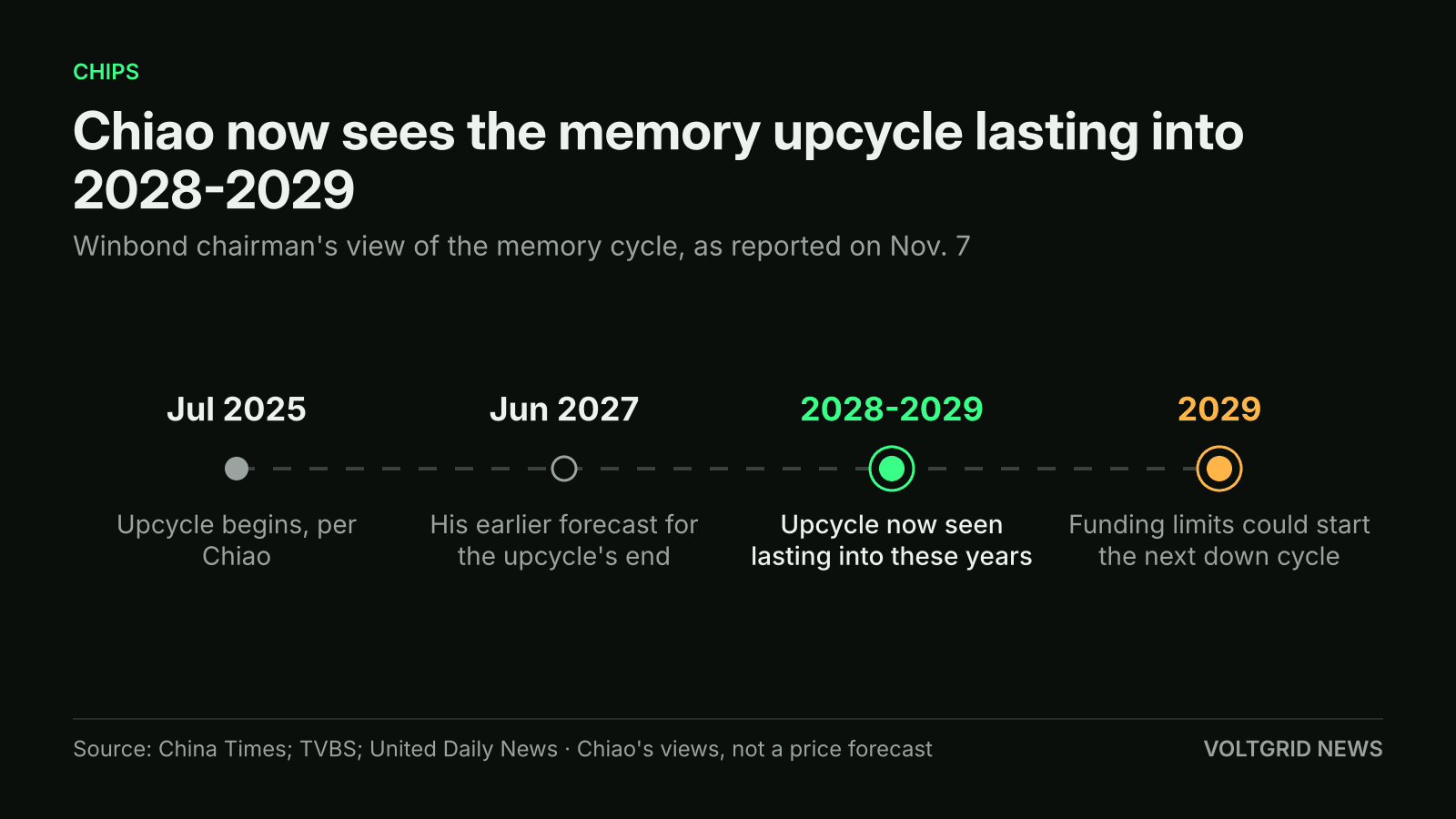
Chiao earlier forecast an upcycle to June 2027 and now sees it lasting into 2028-2029, with 2029 funding limits the risk.
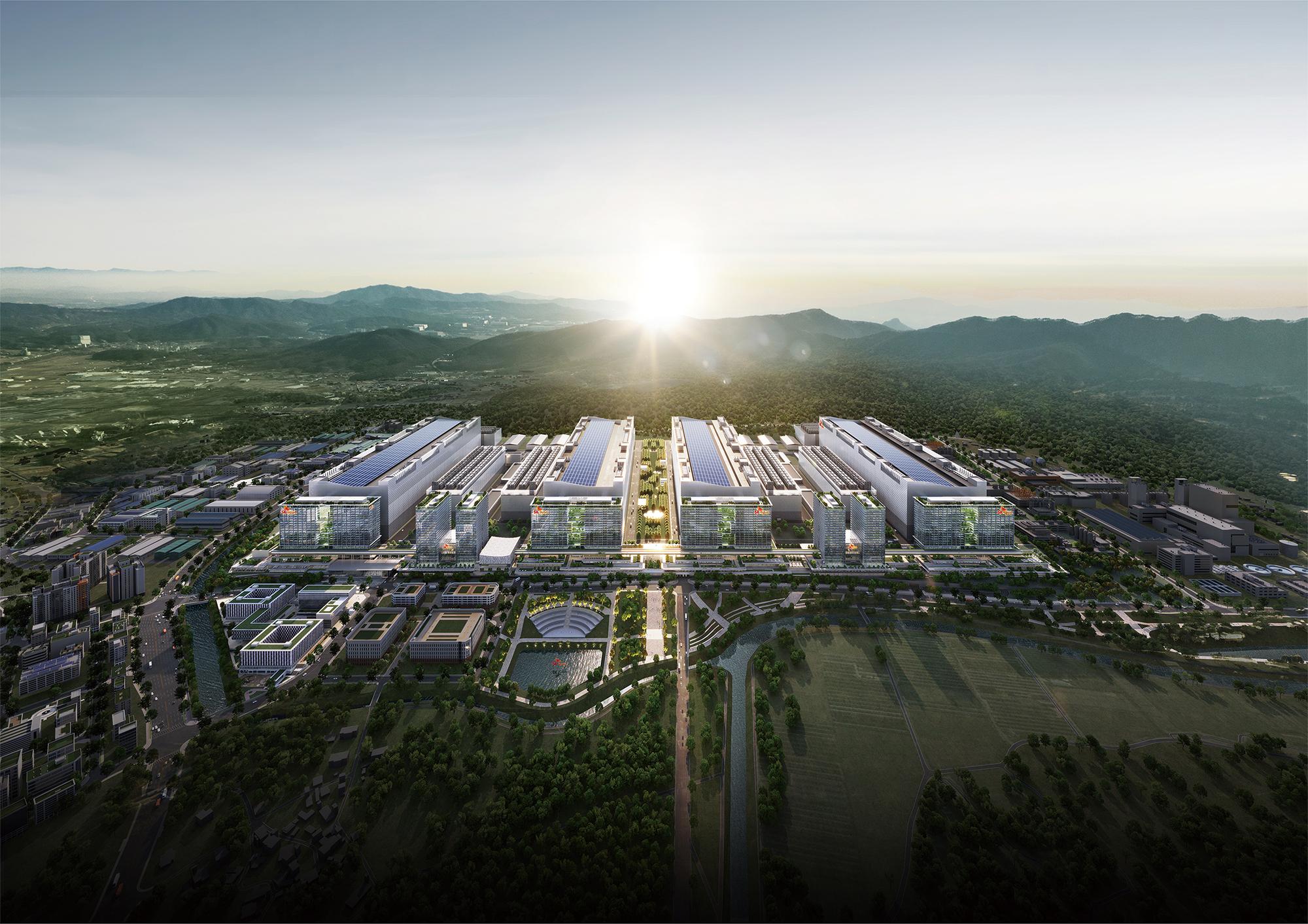
Illustration (AI-generated)
Chiao also addressed the report that TSMC may make 3D DRAM for NVIDIA. He called it unlikely that TSMC would compete with its memory partners Samsung, SK hynix and Micron, the China Times reported. TSMC itself said it remains a logic foundry, as Voltgrid reported on Nov. 8.
What is not confirmed yet
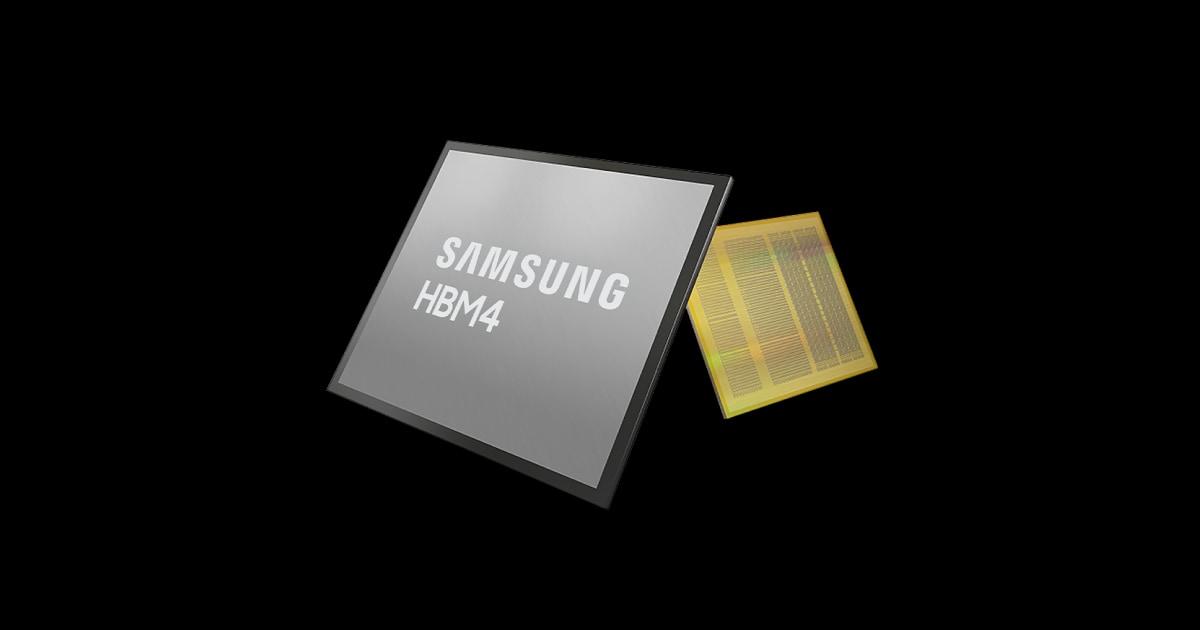
No memory price data accompanied the remarks, and Chiao gave no forecast for contract prices. His view that prices have peaked is not shared across the industry: Samsung said its HBM supply is sold out for 2027. Markets did not treat the comments as a sell signal. On Nov. 9 seven Taiwanese memory stocks, including Winbond, hit their daily limit as the Taiex rebounded after a week in which it fell 5,510 points, according to the Economic Daily News.
Sources
- 01Winbond chairman: memory price rises should have peaked; capacity adds pay off in 2027China Times · chinatimes.com
- 02Memory stocks lead Taiwan rebound as Winbond chairman flags 2029 riskEconomic Daily News · udn.com
- 03Winbond chairman does not want DRAM prices to rise further: AI cannot eat all the riceUnited Daily News · udn.com
- 04Taiwan chipmaker CEO warns memory price rises are unsustainableGoogle News · Nikkei Asia · news.google.com