Samsung, SK hynix, Micron Lose Motion to Dismiss DRAM Antitrust Suit
A federal judge denied the DRAM makers' joint motion to dismiss on Nov. 14, so a class action alleging supply collusion goes ahead. Answers are due Dec. 7; no liability is found.
2 min read
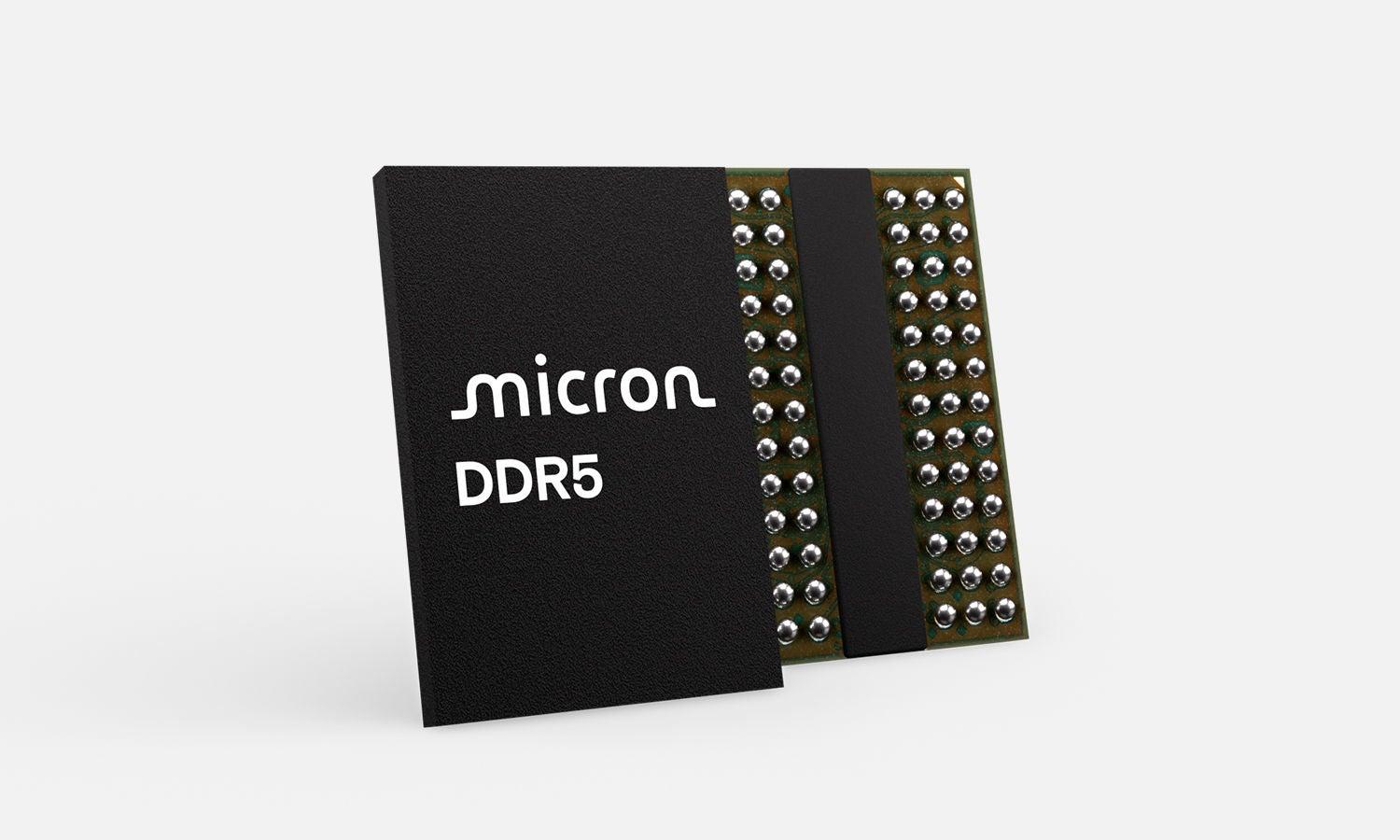
A Micron DDR5 DRAM package. Micron, Samsung and SK hynix are the three defendants in the DRAM supply antitrust case; the photo is a product image, not an exhibit.
Image: Micron
Source · Press image from the Micron website, used for news reporting.
U.S. District Judge Noël Wise denied Samsung Electronics, SK hynix and Micron's joint motion to dismiss a putative class action alleging they conspired to restrict conventional DRAM supply, in an order dated Nov. 14, 2026.
The order in Garciaguirre v. Samsung Electronics (No. 5:26-cv-06345-NW, Northern District of California) found that the complaint plausibly alleges a Sherman Act conspiracy and that the case is not a rerun of the earlier DRAM supply suit that was dismissed. The named plaintiffs are 17 consumers and small businesses from five states. In the same order Wise granted the defendants' unopposed request to move early case deadlines: their answers are due by Dec. 7, 2026, and the initial case management conference is reset to Jan. 12, 2027. Wccftech, relaying a LitNews report of the order, covered the ruling on Nov. 15.
This is a pleading-stage decision. The court took the complaint's allegations as true and did not decide whether the companies agreed to limit supply, so none of the three has been found liable. The ruling does not change DRAM output or contract prices, which depend on fab and wafer decisions the suit challenges but the court has not touched. For data-center buyers it adds legal discovery risk around the same memory makers that supply HBM and server DRAM.
What the court accepted and set aside
Wise held that the complaint plausibly alleges parallel conduct: production cuts announced by SK hynix and Micron about three weeks apart in late 2022, with Samsung following about four and a half months later, plus parallel moves to HBM and an exit from DDR4. She treated several moves as difficult to reverse, including long-term HBM supply lock-ups, Samsung's and SK hynix's reported refusal of long-term conventional DRAM contracts, and Micron's Dec. 3, 2025 decision to close its Crucial consumer brand. She also found near-identical customer vetting adopted in January 2026 strongly supports an inference of conspiracy, and counted the three companies' price-fixing history from 1998 to 2002.
Not everything helped the plaintiffs. The judge gave no weight to the DDR3 allegations, to public statements to investors or to meetings at industry conferences, and called the three-company market structure neutral. In her words, the plaintiffs' account goes beyond hawks watching each other to hawks flying in formation.
The 91.5% share figure
The order recites the complaint's claim that the three companies held over 91% of global DRAM revenue in the third quarter of 2025, at 33.2% for SK hynix, 32.6% for Samsung and 25.7% for Micron, and later cites a 91.5% share. That is the plaintiffs' allegation for a past quarter. Counterpoint's later figures, as Voltgrid reported, put Samsung at 38%, SK hynix at 29% and Micron at 21% of Q3 revenue, with CXMT at 9%, on a different basis and a different quarter.
The complaint's Q3 2025 revenue shares for the three defendants, which the order recites; they are the plaintiffs' allegation, not a finding.
Graphic: Voltgrid News
What is not confirmed yet
The defendants had not commented in the reports Voltgrid read, and their answers are the next filing, due Dec. 7, 2026. Everything the order describes about their conduct comes from the complaint and is unproven. The complaint also alleges that Samsung and SK hynix reportedly signed preliminary agreements to supply up to 900,000 DRAM wafers a month for OpenAI's Stargate project, which the order quotes as an allegation; none of the companies is shown to have confirmed that figure.
Sources
- Published
- Sources
- 2 cited