SpaceX Bond Sale: $32B of Nvidia Chip Debt, $25.2B at 8.259%
SpaceX's $32 billion bond sale on Nov. 19 funds a five-year lease of Nvidia Vera Rubin systems, the largest slice yielding 8.259%, part of a package above $40 billion.
2 min read
Follows SpaceX $40B NVIDIA Chip Lease: Goldman, Apollo Seek Buyers
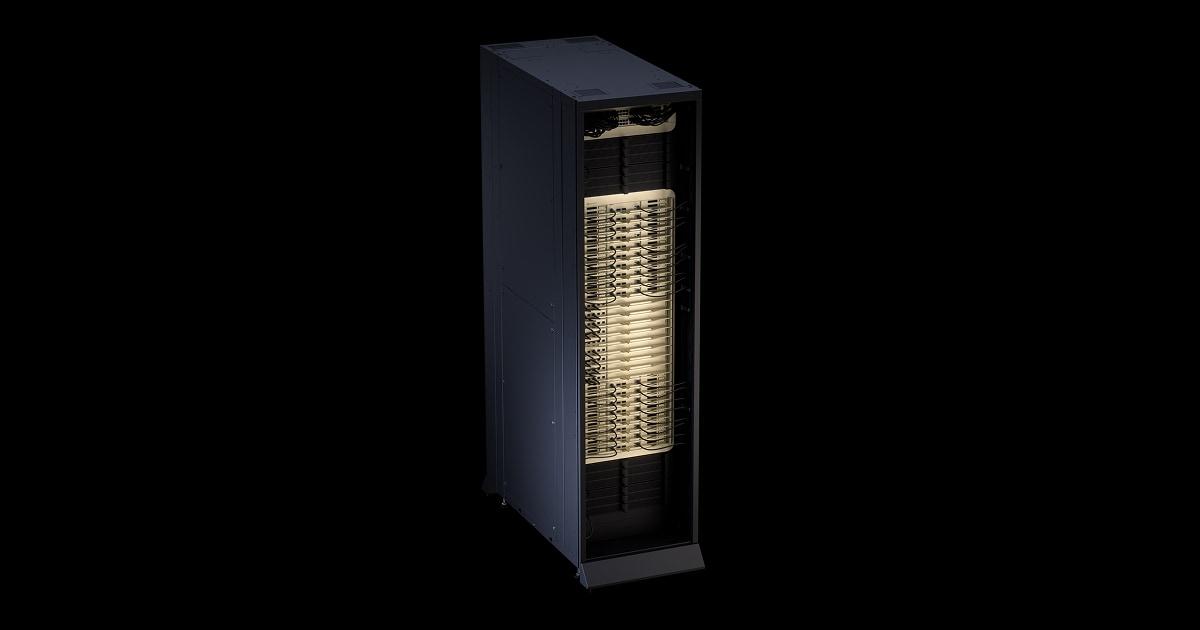
Nvidia's Vera Rubin NVL72 rack, the generation KBRA names for the equipment SpaceX is leasing. Product image, not a photo of the SpaceX installation.
Image: NVIDIA
Source · Press image from the NVIDIA website, used for news reporting.
SpaceX's $32 billion bond sale on Thursday, Nov. 19, will pay for Nvidia chips it leases, with the largest slice, about $25.2 billion of Class A3 notes, priced to yield 8.259%, according to Bloomberg as carried by Quartz and The Edge Malaysia.
The deal was sold in three parts, according to people with knowledge of the matter cited by Bloomberg. Goldman Sachs and Apollo Global Management ran it. Bloomberg's index put the average US investment-grade yield at 5.95% that day. About $26 billion had been committed earlier, and the last $6 billion of Class A3 was offered on Thursday.
This is the pricing step in a financing we have followed since it was in talks. Musk said on X on Oct. 25 that SpaceX had closed a $40 billion GPU debt raise, as Voltgrid reported, and on Nov. 4 Bloomberg reported that Goldman and Apollo were offering stakes in the roughly $40 billion lease, as we covered on Nov. 5. The $32 billion is the bond sale only. Bloomberg describes it as one piece of a financing of more than $40 billion that also includes bank loans.
What the debt buys
The proceeds fund Nvidia hardware bought by Saturn Funding Trust, a special-purpose vehicle that Bloomberg says an Apollo-backed entity manages. Bloomberg puts the package at about $47.3 billion of GPU equipment, mainly Nvidia's Rubin chips, with delivery expected to start in January. KBRA's preliminary rating release of Nov. 16 names the generation as Nvidia Vera Rubin NVL72 equipment.
SpaceX leases the equipment for about five years. KBRA describes a triple-net, "hell-or-high-water" finance lease with quarterly payments meant to repay the debt in full. Bloomberg adds that SpaceX must keep paying if the equipment fails or a force majeure event occurs, and that the structure is meant to help it keep its investment-grade ratings.
Reported structure: investors fund Saturn Funding Trust, which buys the Nvidia GPUs and leases them to SpaceX for about five years; Class A3 yields 8.259%.
Graphic: Voltgrid News
Ratings and the obsolescence question
KBRA assigned preliminary A- ratings with a stable outlook to about $27.2 billion of senior secured Class A-2 and A-3 notes and $2.4 billion of subordinated Class B notes. That is $29.6 billion rated, against the $32 billion Bloomberg reports sold; neither source reconciles the gap, and KBRA gives no size for its Classes D and E. KBRA names WHCO Intermediate Holdings, which it calls unaffiliated with SpaceX, as lessor. KBRA says its ratings weigh technological obsolescence and uncertain realizable value of the GPUs in a stress case. It lists leverage above 3.5x at SpaceX as a downgrade trigger.
CreditSights' Davis Hebert said the pricing was deliberately generous to draw conventional buyers, and that clients were skeptical after losses on SpaceX's unsecured bonds from June, according to Bloomberg.
The debt covers a five-year lease on chips whose useful life and resale value are untested, and under the hell-or-high-water terms SpaceX owes the payments regardless of how the equipment performs. Neither Bloomberg nor KBRA gives a GPU count, megawatts or a site, so the power load cannot be derived from them. SpaceX's own campus plans are separate: $74 billion for Arizona and Texas data centers (Nov. 12) and the Starbase gas plant (Nov. 20), which would run with no grid connection.
What is not confirmed yet
Bloomberg's report is paywalled, so we cite Quartz and The Edge Malaysia, which carry it; the pricing and investor details are Bloomberg's, from people familiar. SpaceX and the banks did not reply to Bloomberg. No source says which campuses will house the Rubin systems.
Sources
- 01KBRA Assigns Preliminary A- Ratings With Stable Outlook to Saturn Funding Trust Senior and Subordinated Secured NotesKBRAkbra.com
- 02SpaceX sold US$32 bil of AI chip debt at yields topping 8%The Edge Malaysiatheedgemalaysia.com
- 03SpaceX sold $32 billion in AI chip debt, with most at yields above 8%Quartzqz.com
- Published
- Sources
- 3 cited