Meta Emissions Rise 45% to 11.8M tCO2e as 2030 Net-Zero Goal Is Reviewed
Meta's 2026 sustainability report puts 2025 net emissions at 11.8M tCO2e, up 45%, with data-center power use at 24.5 TWh, as it re-evaluates its 2030 net-zero date and gas plants loom.
2 min read
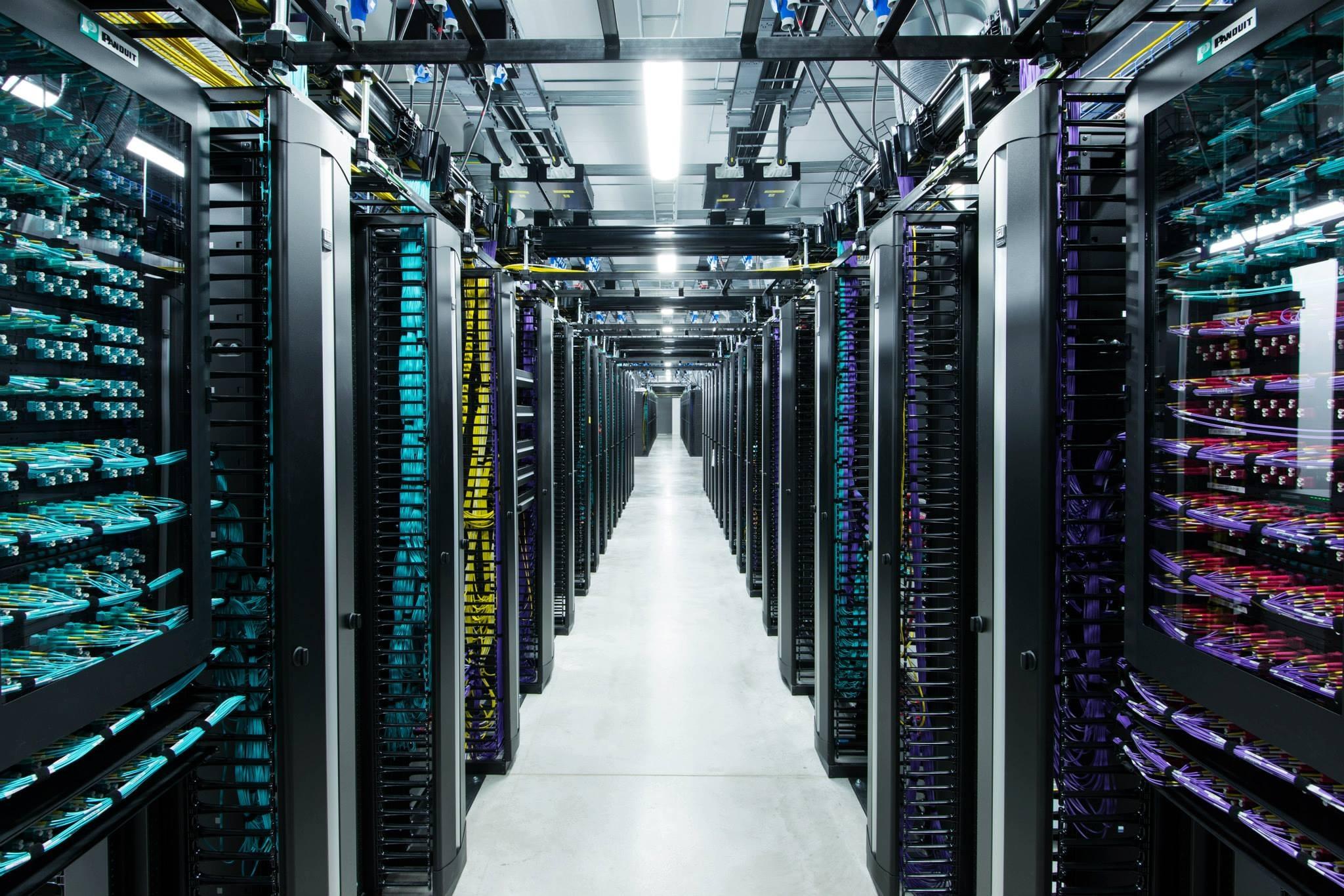
Inside a Meta data center. Photo from Meta's sustainability site; it is not necessarily one of the sites in the report.
Image: Meta
Source · Press image from the Meta sustainability newsroom, used for news reporting.
Meta Platforms said in its 2026 Sustainability Report, released Nov. 19, that Meta's 2025 net emissions were 11.8 million metric tonnes of CO2e, up 45% year over year, and that it is re-evaluating the 2030 timeframe of its net-zero goal.
The report's data tables put net emissions, which count contractual instruments such as clean-power purchases, at 11,823,330 tCO2e, against 8,156,887 in 2024. Adding 80,000 tCO2e of carbon-removal credits to that net figure gives a total of 11,903,330. Scope 3, the supply chain, was 11,858,913 tCO2e, or 99% of the footprint. Scope 1 was 33,555 and market-based Scope 2 was 10,861. Meta attributes the rise mainly to Scope 3 categories 1 and 2, purchased goods and services and capital goods. Capital goods alone were 8,727,109 tCO2e, 73% of the total.
Market-Based vs Location-Based Emissions
Meta's headline is the market-based view, which nets out the clean energy it contracts. On the location-based method, which uses the emissions of the local grids that actually supply its sites, the same table shows 21,748,930 tCO2e in 2025 against 15,627,509 in 2024, a rise of about 39% by Voltgrid's arithmetic. Location-based Scope 2 at data centers was 7,753,046 tCO2e, while the market-based figure was 6,146. Al Jazeera noted that climate advocates view the accounting behind the headline figure with scepticism.
On the location-based method Meta's 2025 emissions were 21,748,930 tCO2e, against 11,823,330 tCO2e market-based.
Graphic: Voltgrid News
Meta's data centers used 24,523,035 MWh of electricity in 2025, up from 18,061,781 MWh in 2024, which Voltgrid calculates as a 36% increase. Total company electricity was 24,849,122 MWh. Voltgrid News reported earlier on the IEA's data center electricity forecast. The report says Meta matched 100% of its annual electricity use with clean and renewable energy for the sixth consecutive year and has contracted more than 30 GW of capacity. Scripps News reported that only about 12 GW of it is producing power so far.
What Happens to Meta's 2030 Net-Zero Goal
The report's foreword, signed by Rachel Peterson, vice president of data centers, and Blair Swedeen, global head of net zero, says Meta is re-evaluating its timelines, sequencing and interim milestones, including the 2030 net-zero timeframe and its near-term intensity targets. They wrote that interconnection queues have not meaningfully shortened and that transmission buildout lags demand. Meta did not say what it is weighing or when it will decide, only that it will post updates on its sustainability website.
Gas Plants Are the Supply-Side Test
The report states that where utilities cannot deliver power on the timeline Meta needs, it may deploy on-site, behind-the-meter generation, including gas-powered systems, and that it is seeking low-methane-intensity gas certificates to offset upstream methane. Scripps News said several gas projects are already underway and are not yet reflected in the 2025 numbers. One is the 366 MW plant of 813 modular generators in El Paso, which Voltgrid covered.
A BNEF estimate of what such plants could add across the sector is covered separately. Meta has not said whether the 2030 date will move or what replaces it. The report does not quantify how much on-site gas generation will add to the emissions total, and the statement that gas projects are underway and not yet in the 2025 numbers comes from Scripps News, not from the report itself. The company's contractual-instrument accounting means the market-based and location-based figures can diverge sharply.
Sources
- 01Meta Rethinks Net-Zero Goal As Data Center Emissions SoarBisnowbisnow.com
- 02Meta 2026 Sustainability Report (2025 data)Meta Sustainabilitysustainability.atmeta.com
- 03Meta emissions jump 45% amid data center raceScripps News (WXYZ)wxyz.com
- 04Meta rethinks 2030 climate goals as AI data centres drive emissions upAl Jazeeraaljazeera.com
- Published
- Sources
- 4 cited