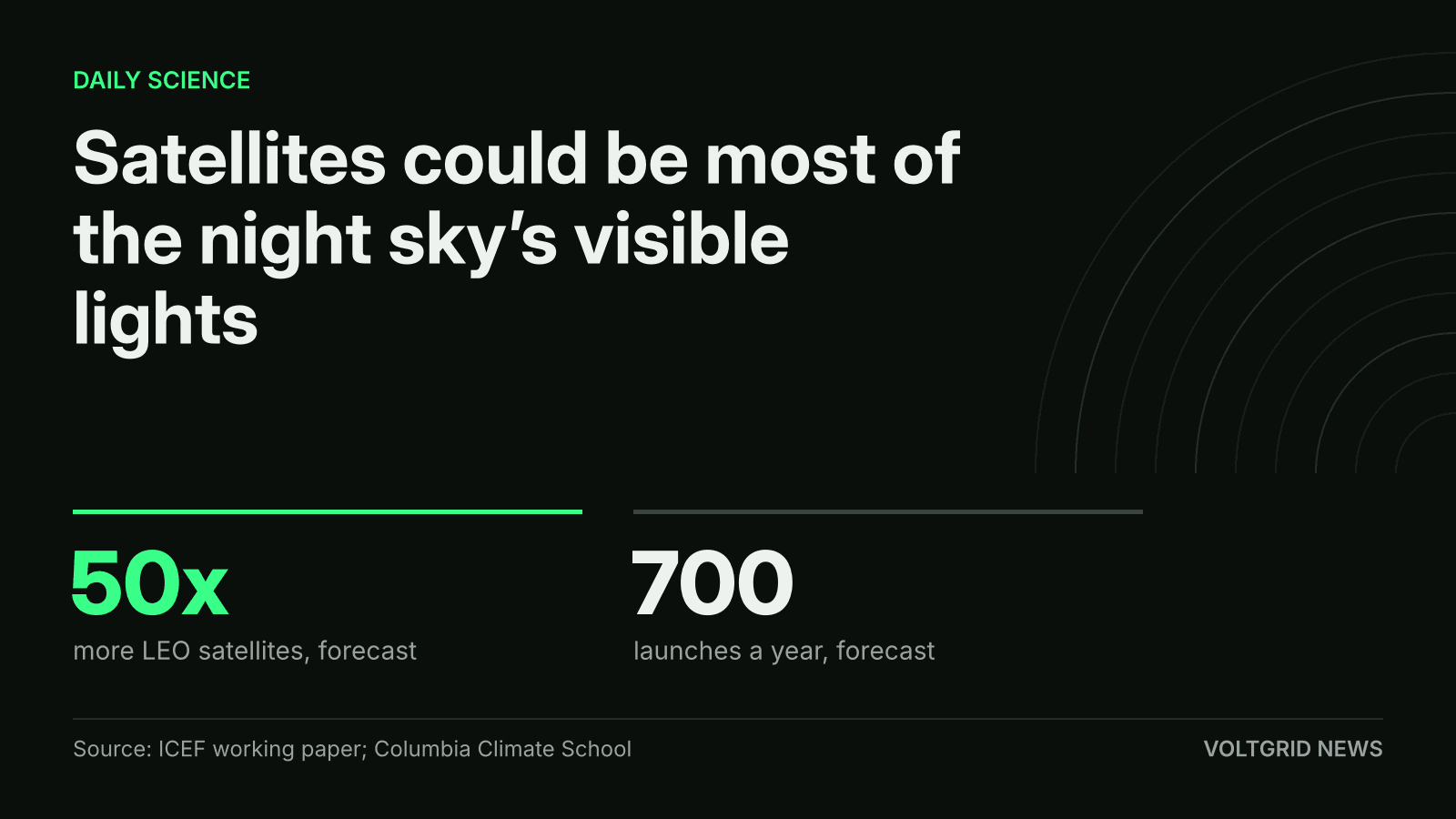
SpaceX Starbase Air Permit: Texas Approves 35 Turbines, 750 MW Off-Grid
Texas issued the SpaceX Starbase gas plant air permit on Nov. 16 for 35 turbines and 750 MW, Politico reported. NOx is capped at 248 tons a year, just under the 250-ton review line.
3 min read
Follows SpaceX Starbase Data Center: $24B Gas Plant Tax Break Sought
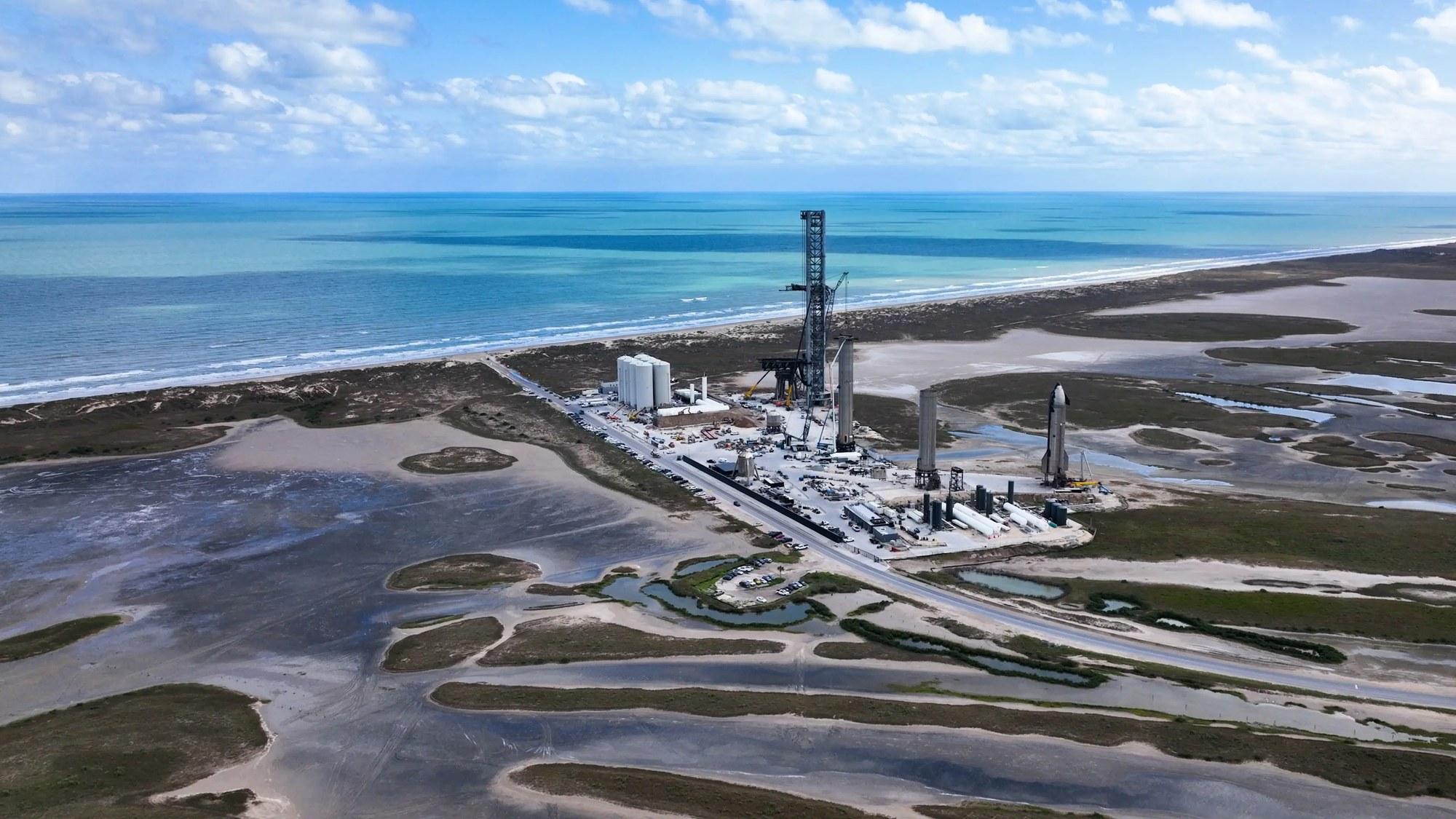
The Starbase launch site on the Texas Gulf coast, from the City of Starbase's photo library; the permitted gas plant is not pictured.
Image: City of Starbase
Source · Photo from the City of Starbase website, used for news reporting.
Texas regulators issued the SpaceX Starbase air permit on Monday, Nov. 16, for a gas-fired power plant in the Rio Grande Valley: it approves 35 natural-gas turbines with 750 MW of capacity and allows up to 248 tons a year of nitrogen oxides, according to Politico, which reported that the plant would not be connected to the grid.
The Texas Commission on Environmental Quality (TCEQ) approved the request three days after FracTracker Alliance and Public Citizen filed a complaint alleging SpaceX began building without a permit, Politico reported on Nov. 17. TCEQ spokesperson Laura Lopez confirmed the issue date; SpaceX did not respond to Politico. The 248-ton cap sits just under the 250-ton line that triggers more robust review, including a public hearing.
This follows our earlier coverage: SpaceX asked Starbase for a tax abatement on a project with an estimated $24 billion of capital investment, the city's hearing notice shows.
SpaceX said on Nov. 12 it plans more than $74 billion across Texas and Arizona. The permit is the state air approval; the city's Dec. 9 abatement hearing is still ahead.
Why the Air Permit Matters for Power Supply
A plant off the grid does not need a grid interconnection, so its state air permit is a key approval. Politico said the approval came while Gov. Greg Abbott's pause on data center permits still had weeks to run: his Oct. 23 letter said the halt covers all permits related to data center projects, air permits included, until the Electric Reliability Council of Texas (ERCOT) completes its audit, due Dec. 10. TCEQ said it was told ERCOT had gathered what it needed and has resumed normal review.
SpaceX Filing Details and the Southaven Comparison
The 956 Report reviewed the Sept. 8 registration that Trinity Consultants filed for SpaceX. It lists 35 turbines as a temporary first configuration, about 748 MW, from 16.48 MW to 27.4 MW each, mixing GE Vernova, Mitsubishi and Solar units. A later configuration of eight GE Vernova 7E turbines, about 708 MW, would replace them, with no date given. The filing says the units are used or refurbished and that manufacturer performance guarantees are "generally not available."
Politico's 750 MW permit figure sits next to the two configurations in The 956 Report's reading of the filing, about 748 MW and about 708 MW.
Graphic: Voltgrid News
As Voltgrid reported, Mississippi's permit board upheld on Nov. 10, by a 6-1 vote, its March 10 air permit to construct for 41 simple-cycle turbines at Southaven, held by xAI affiliate MZX Tech; the board's minutes give 1.2 GW as the capacity in the application. The routes differ. Southaven went through a public notice and a hearing. The Starbase filing was a TCEQ standard-permit registration, a streamlined route, and The 956 Report says its public notice section is blank and the route appears to have no public notice.
Why the 248-Ton NOx Cap Matters
Gas turbines burn fuel in hot air, which forms nitrogen oxides (NOx), a smog-forming pollutant, and an air permit limits how many tons a plant may emit each year. Politico reports Starbase's permit allows up to 248 tons a year, just under the 250-ton line that triggers more robust review. The 956 Report says SpaceX's filing capped the initial configuration at 248.86 tons.
The cap matters for supply as much as the 750 MW capacity does, because tons of NOx scale with the hours turbines run. The 956 Report's own calculation, not an official figure, puts potential emissions near 458 tons a year at full load. If that estimate holds, the cap, not the rating, would set how many hours the plant can run at full output.
What Is Not Confirmed Yet
We could not read the TCEQ permit itself, so the 750 MW and 35-turbine figures rest on Politico's reading of a copy it saw. Whether the permit covers only the temporary units or also the eight permanent ones is unclear; one trade briefing cited 1.456 GW, which matches the sum of the filing's two configurations (748 MW plus 708 MW), and we could not confirm that is how it was reached. The groups' construction claim is an allegation. In xAI's Memphis and Mississippi disputes, SpaceX has argued that the Clean Air Act lets such turbines run for a year without permits; no source we read says it made that argument for Starbase. ERCOT's audit is due Dec. 10 and the Starbase hearing is Dec. 9.
Sources
- Published
- Sources
- 2 cited