AEMO Summer Outlook: Batteries 5.3 GW of 8.4 GW Added to NEM
AEMO expects sufficient summer supply, with batteries 5.3 GW of 8.4 GW of new NEM capacity, but flags January 2027 risk days in Victoria and South Australia.
5 min read
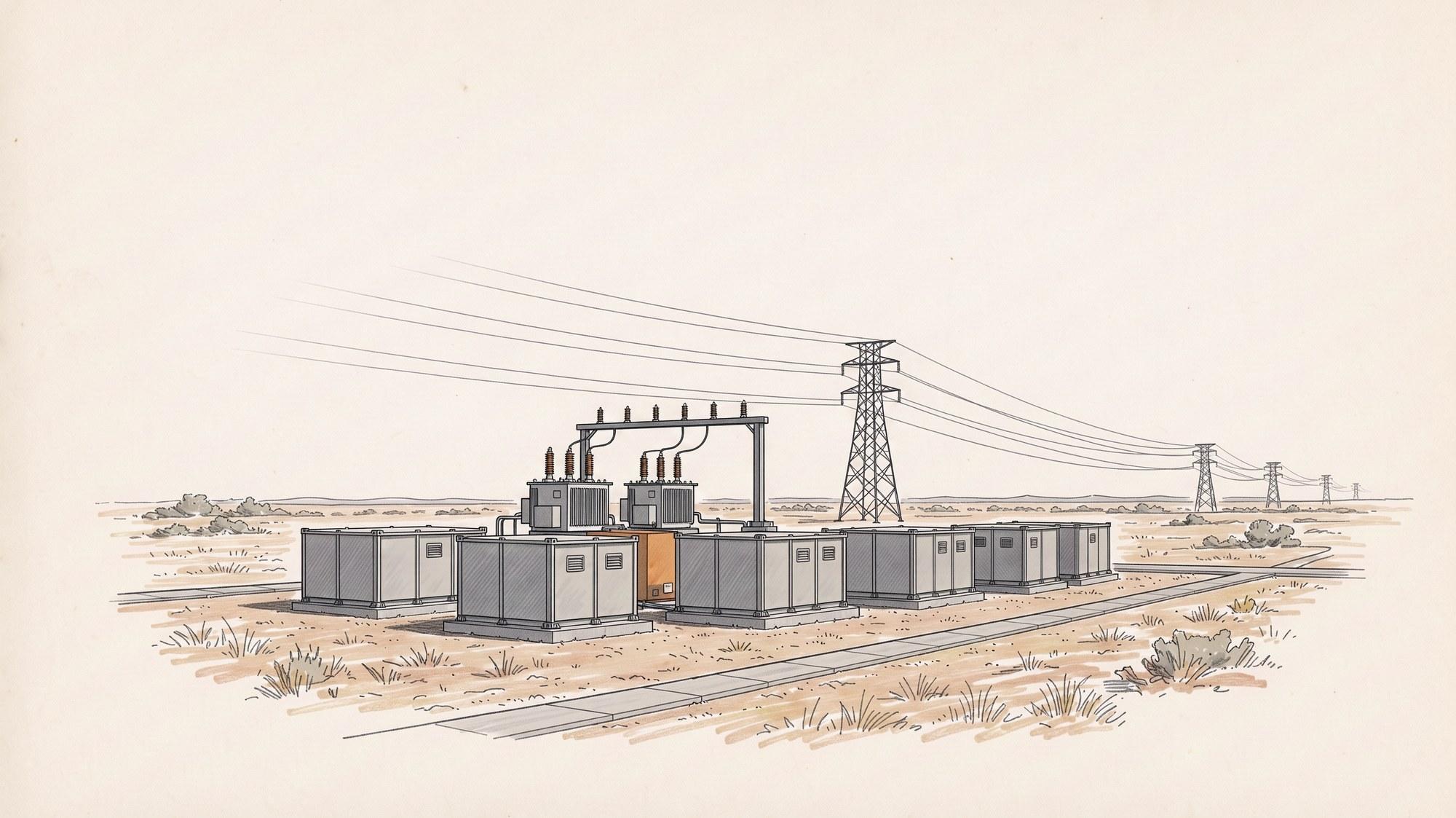
Illustration (AI-generated)
Graphic: Voltgrid News
Australia, Nov. 20 — The Australian Energy Market Operator (AEMO) published its 2026-27 Summer Outlook on Friday, and batteries make up 5.3 GW of the 8.4 GW of new capacity added to the east-coast grid since December 2025. The operator expects electricity and gas supply to be sufficient from November through March under forecast conditions. It also warned that extreme heat can shift that picture fast.
The battery build is not new to AEMO's own numbers. Its quarterly data already showed that batteries beat gas in the NEM evening peak in Q3, and the summer outlook now leans on that fleet for heat peaks.
The Technical Details: AEMO's Summer Outlook
The outlook covers the National Electricity Market (NEM), the wholesale market that serves Australia's eastern and southern states, and the Wholesale Electricity Market (WEM), Western Australia's separate grid market. In the NEM, more than 30 projects have come online since December 2025. Battery energy storage systems (BESS), grid-scale battery plants that charge and discharge on command, lead that mix by a wide margin.
The risk side is weather. AEMO expects El Nino to hold into autumn 2027, with warmer, drier conditions across most of the country and heatwaves that could set new maximum demand records in both markets. Bushfire risk is elevated along key transmission corridors, including the Heywood interconnector (the high-voltage link between Victoria and South Australia) and the Queensland-New South Wales interconnector. Its loss of load probability (LOLP) assessment, which estimates the chance that demand outruns supply in a day's riskiest half-hour, flags a few high-risk days in Victoria and South Australia in January 2027.
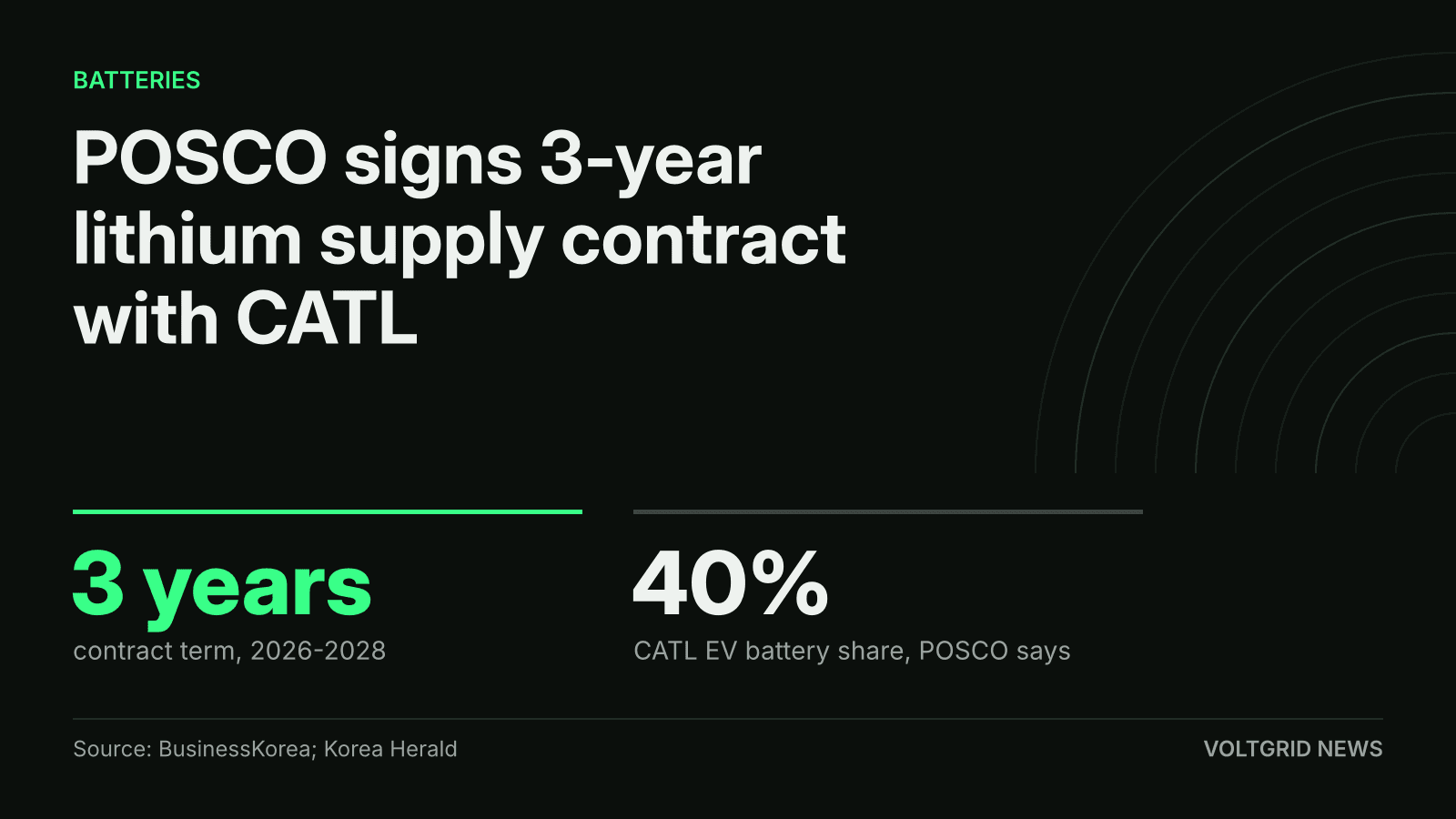
In the WEM, three batteries totaling 600 MW have reached full output since December 2025. They include Synergy's Collie BESS, completed in February with CATL technology.
- New NEM battery capacity: 5.3 GW since Dec. 2025 vs. 750 MW of new storage cited for the 2024-25 summer (since Sept. 2023)
- Battery share of new NEM capacity: about 63% (5.3 GW of 8.4 GW, our arithmetic)
- Total new NEM capacity: 8.4 GW across 30+ projects
- Other new NEM capacity: 1.1 GW solar, 0.7 GW wind, 0.7 GW gas, 0.5 GW hybrid solar-plus-battery
- January 2027 LOLP on high-risk days: 20% to 40% in Victoria and South Australia (excludes emergency reserve contracts)
- New WEM storage: 600 MW across three batteries; more than 1 GW of transmission-connected storage in total
- Collie BESS: 500 MW / 2,400 MWh (CATL technology)
- Project EnergyConnect transfer capability: 350 MW vs. 150 MW before stage 2 (subject to testing)
- Heywood capability: 650 MW expected vs. 600 MW
- Average NEM battery price spread, Q2 2026: AU$51/MWh (US$34/MWh), down 85% in a year
Batteries make up 5.3 GW of the 8.4 GW of new NEM capacity added since December 2025.
Graphic: Voltgrid News
Voltgrid Analysis: Infrastructure Implications
Batteries are now the main new firming resource for Australia's summer peaks. The 5.3 GW figure is roughly seven times the 750 MW of new storage AEMO cited ahead of the 2024-25 summer, by our arithmetic, though the two counts cover different time windows. AEMO also expects average gas-fired generation demand this summer to be similar to last summer and below earlier years, which it ties to the growing battery fleet. The catch is duration: AEMO says risk peaks when extreme heat lines up with weak wind and solar output, plant outages and drained storage.
The opposite problem arrives on mild, sunny days. Rooftop solar can push daytime demand on the grid so low that secure operation gets harder, a condition known as minimum system load, especially on weekends and public holidays. The Australian Energy Market Commission (AEMC), the body that writes the market rules, is consulting on rules for that condition, including a proposed paid service that batteries could bid into.
Transmission is the third variable. The second stage of Project EnergyConnect, the New South Wales to South Australia link, was energized in early November, and Heywood capability is set to rise modestly. Both sit in a summer where bushfire risk along transmission corridors is elevated, so new wires add headroom without removing the weather risk.
Project EnergyConnect transfer capability rises to 350 MW from 150 MW before stage 2, subject to testing.
Graphic: Voltgrid News
Battery owners face a tougher revenue picture. The price spread, the gap between what a battery pays to charge and earns when it discharges, fell 85% in a year as grid-scale capacity in the NEM passed 9,000 MW. In Q3, 59 grid-scale batteries earned AU$88.91 million, and just five days delivered 15% of that revenue. Our read: thinner spreads make each new battery harder to finance on energy trading alone, which raises the value of new paid services such as the one AEMC is weighing. That matters for large flexible loads such as data centers, because they compete for the same connection capacity that new storage needs, and the NEM connection pipeline passed 80.9 GW in October. Our earlier coverage of the market operator sits on the AEMO hub.
Looking Ahead
January 2027 will test whether the new battery fleet can carry Victoria and South Australia through their highest-risk days without emergency reserves. The AEMC's draft determination on minimum system load rules, due by Dec. 3, will show whether batteries gain a paid role at the other end of the demand curve.
Source: AEMO, Energy-Storage.news.
Sources
- Published
- Sources
- 2 cited