Alice Huang-Linked Shanghai Data Center Tied to NVIDIA H800, H100 Chips
Bloomberg-reviewed filings tie 22 Dell H800 servers and 52 Super Micro H100 or H200 servers to a site linked to Alice Huang, pledged as collateral in January 2025. Her role is unestablished.
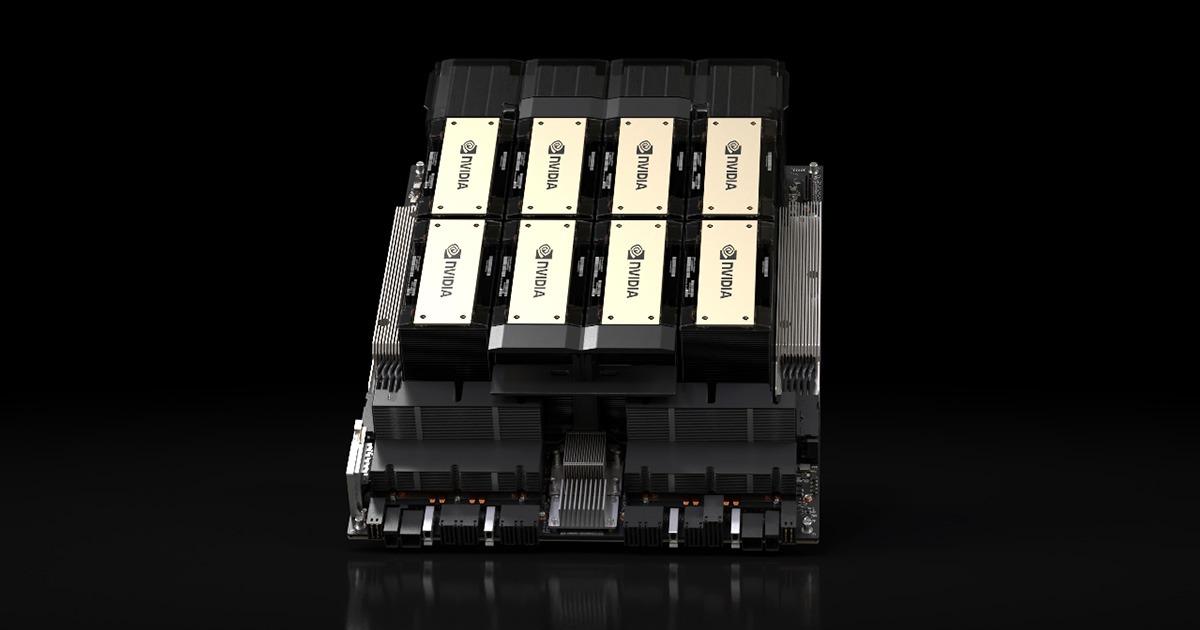
NVIDIA's H200 product image. The H100 and H200 chips in the Super Micro systems fall in this chip family; the photo does not show the Shanghai site or the servers in the filings.
Image: NVIDIA
Source · Product image from the NVIDIA website, used for news reporting.
Filings reviewed by Bloomberg tie 22 Dell servers with NVIDIA H800 chips and 52 Super Micro servers with H100 or H200 chips to a Shanghai data center linked to Alice Huang, Quartz reported on Nov. 13, 2026.
The servers sat in a batch of 193 that a unit of Shanghai Longteng Intelligent Computing pledged as loan collateral in January 2025, Quartz said, citing Bloomberg. The batch had a combined value of 485 million yuan ($73 million). Shanghai Longteng was established about a decade ago by Alice Huang. The other 119 servers are Gigabyte machines with unidentified chips.
Of the 193 servers pledged in January 2025, 52 Super Micro and 22 Dell machines carry NVIDIA chips, Quartz reported, citing Bloomberg.
Illustration (AI-generated)
The site is known as the Yangtze River Delta Project. Megaspeed International, a Singapore company that US authorities are investigating over suspected chip smuggling into China, showed investors an image of it in 2024 presentation materials, Quartz reported. Megaspeed has denied the allegations. Techzine said the filings place the hardware in the facility, where earlier links to Megaspeed rested on investor materials.
Where the Servers Came From
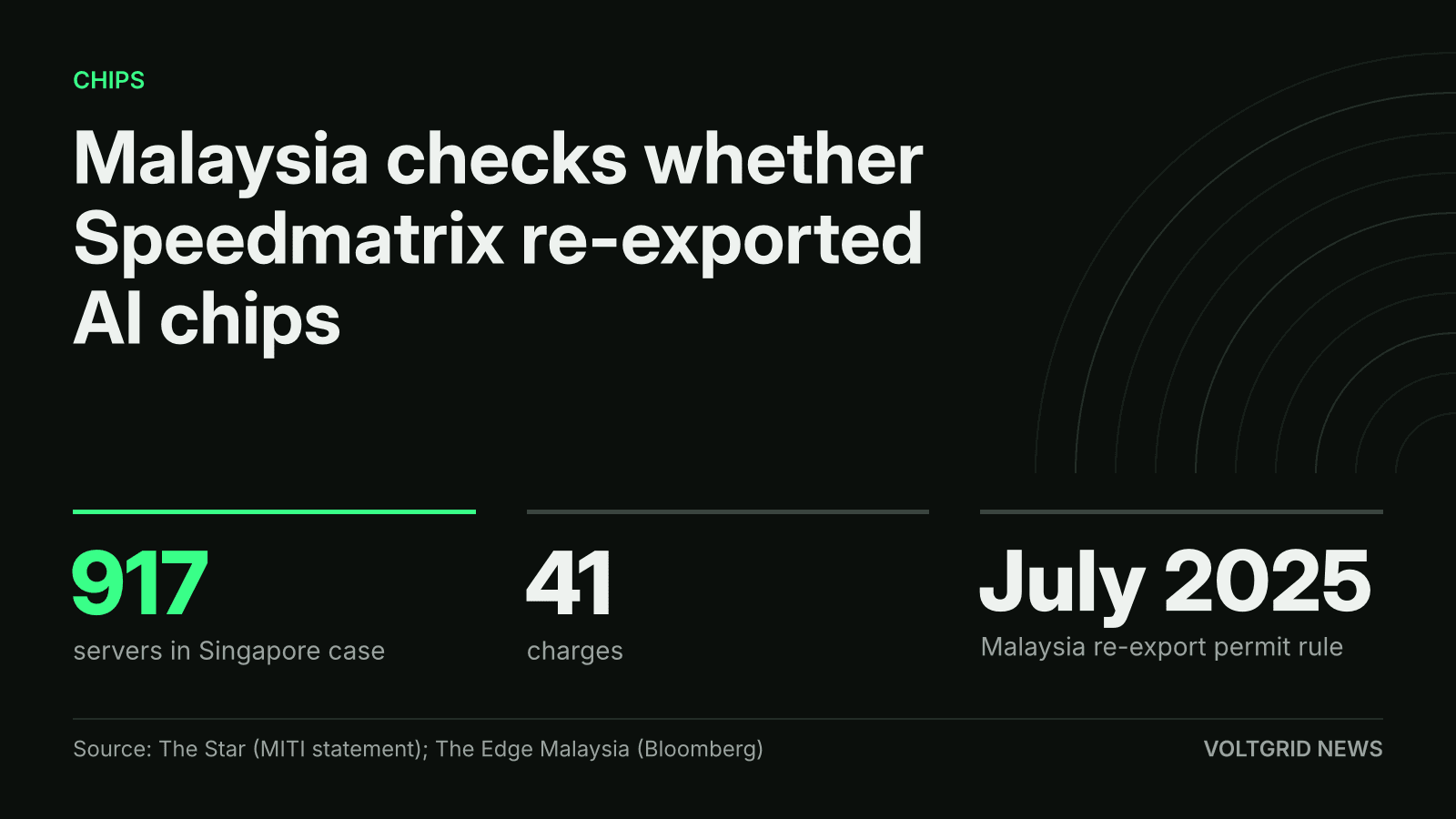
Some of the servers were sold to Aperia Cloud Services, a Singapore-based NVIDIA Cloud Partner, according to Bloomberg. Aperia bought the 22 Dell machines, which carry H800 chips that Washington barred from sale to China in 2023. Dell said it stopped all sales and support to Aperia International in February 2025 over diversion concerns.
Singapore detained Aperia's chief executive that month on accusations of cheating server suppliers; he has pleaded not guilty, and prosecutors charged a fifth person on Friday, Quartz said. Aperia denies wrongdoing. The H100 and H200 chips in the Super Micro systems cannot be sold to China without a US licence. Super Micro said the servers in question were sold lawfully under US export rules and that it is not affiliated with the facility.
What the Filings Do Not Show About Alice Huang
The filings give no detail on how the chips were acquired or whether Alice Huang had a direct hand in it. She gave up her ownership stake in Shanghai Longteng during 2017. Huang Yu, identified by Engadget as her sister, then held the majority until January 2026, covering the pledge of the servers.
Why It Matters for Server Makers and Cloud Partners
The figures are small next to the China exposure already covered. Reuters' review of more than 150 documents, as Voltgrid reported, found restricted H100, H200 and H800 chips anchoring AI computing projects worth over 23 billion yuan, so 485 million yuan is a thin slice, though the two sets of figures measure different things. What is new is a paper trail placing named server models inside one facility as financing collateral. Scrutiny now reaches server builders and cloud partners, not only chip makers; our Super Micro probe report covers the investor reaction.
Former NVIDIA chief executive Jensen Huang, who resigned on Nov. 12, said in May 2025 there was "no evidence" of chip diversion, Quartz reported.
NVIDIA declined to comment to Quartz, and Engadget's summary carries no response from NVIDIA, Dell, Megaspeed or Aperia beyond the statements above. No US, Singapore or Chinese authority has publicly responded to this report in the coverage we read. Her role, how the chips reached Shanghai, and any Megaspeed link beyond investor materials are unestablished. The allegations come from documents Bloomberg reviewed, and Voltgrid has not seen the filings itself.
Sources
- Editor
- Ege Erten
- Published
- Sources
- 2 cited
- Standards
- AI-assisted