CATL 100 kWh 30# Swap Pack Claims 700 km CLTC, 99-Second Swap
CATL's 30# Chocolate pack, unveiled Nov. 26 with Huawei Qiankun, packs 100 kWh and a claimed 99-second swap, but no vehicle, price or start date is confirmed.
2 min read
Follows CATL Sets 6,000 Choco Swap Station Target for 2027, From 2,520
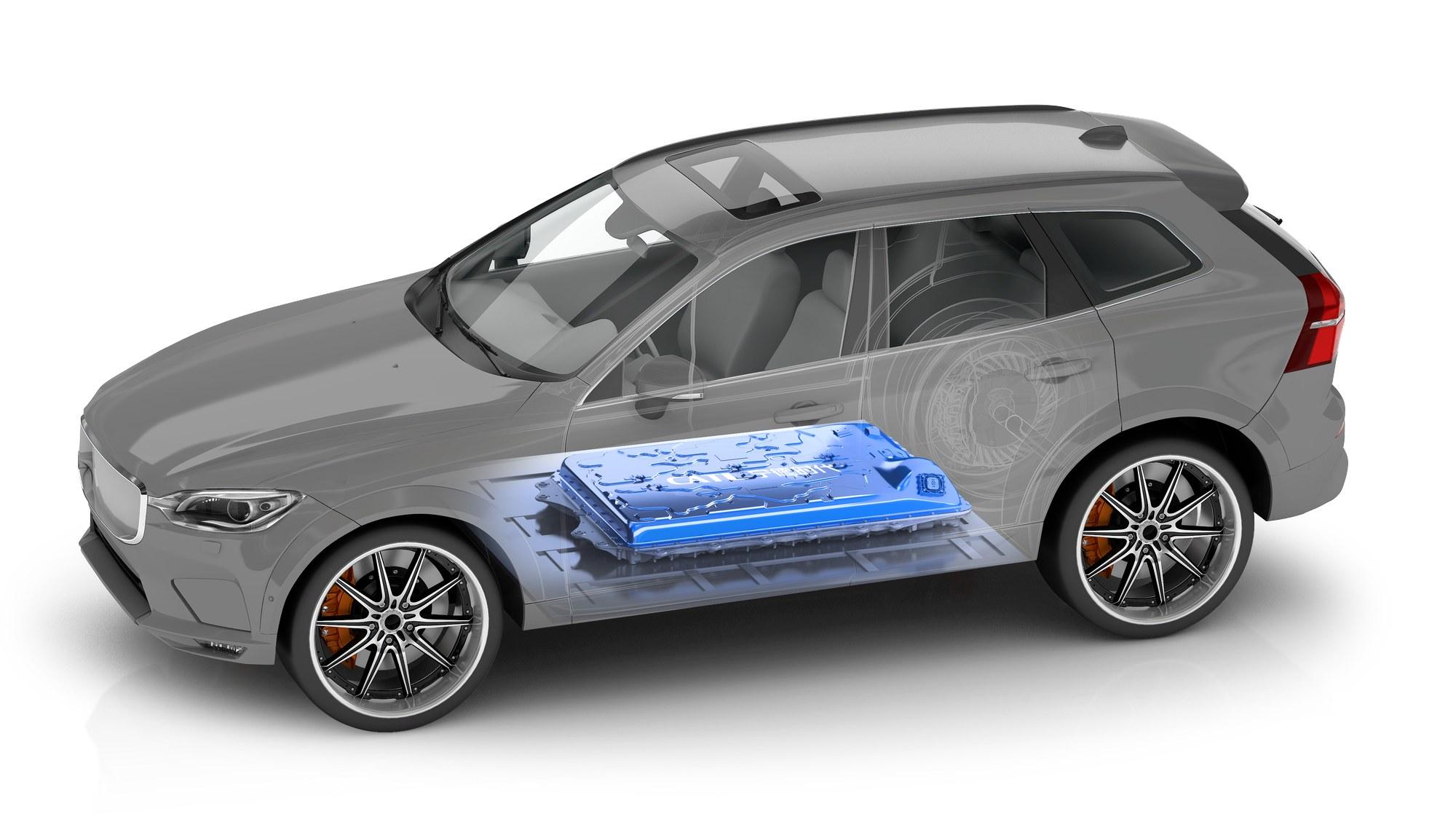
CATL file image of a vehicle battery pack from its passenger-vehicle solutions page; it is not the new 30# swap pack.
Image: CATL
Source · Press image from the CATL website, used for news reporting.
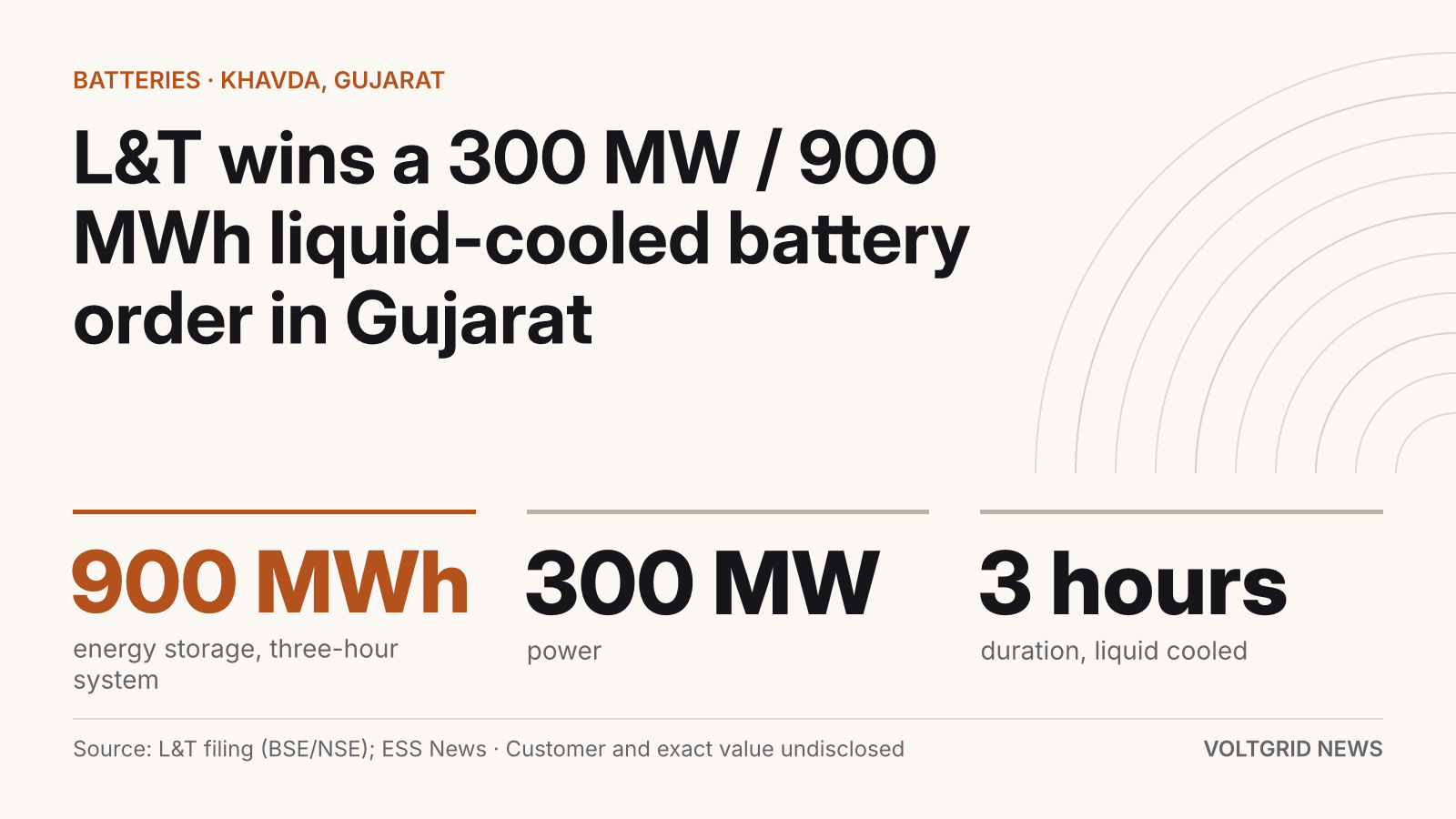
CATL unveiled a 100 kWh swappable battery, the 30# Chocolate pack, at the Huawei Qiankun Ecosystem Conference in Guangzhou on Nov. 26, claiming about 700 km of CLTC range and a 99-second swap.
CarNewsChina reports a peak discharge power of 600 kW, which CATL says supports 0-100 km/h acceleration in the three-second range, and fast charging that adds 400 km of range in 10 minutes. Gasgoo, which also covered the launch, adds that CATL plans higher- and lower-capacity versions of the 30# pack in 2027. Every performance figure is CATL's own claim; none has been tested independently.
This is the pack behind the network target that Voltgrid covered earlier. CATL said on Nov. 13 that it wants 6,000 Choco swap stations in 297 cities in 2027, and Interesting Engineering and CarNewsChina both put the current network at more than 2,500 stations across China, with a long-term goal of 30,000. CarNewsChina notes that 56 kWh looks small beside the 87.6 kWh packs in some plug-in hybrids, which is the gap the 100 kWh option targets.
How the 30# Pack Compares With Earlier Choco Packs
CATL launched the standardised 20# and 25# Chocolate packs in December 2024. The 20# holds 42 kWh in LFP (lithium iron phosphate) and 52 kWh in NMC (nickel manganese cobalt); the 25# holds 56 kWh in LFP and 70 kWh in NMC. CarNewsChina says the 56 kWh LFP 25# is the pack most used at stations today, so the 100 kWh 30# carries about 79% more energy than that pack, by simple division of the published capacities. The outlets do not state the 30# pack's chemistry or weight.
CATL's 30# pack is rated 100 kWh, a CATL claim, against 70 kWh for the largest 25# pack; the 30# chemistry is not stated.
Graphic: Voltgrid News
Gasgoo reports that the locking mechanism passed 10,000 test cycles, which CATL equates to about 27 years of one swap a day, and that the pack was vibration-tested at 1.5 times the national standard. CATL also offers lifetime battery monitoring and a lifetime warranty for packs in its network, according to CarNewsChina.
Huawei Software and Station Scheduling
Huawei Qiankun and Choco-Swap presented a joint scheme in which the car's driver-assistance system predicts when the pack will need replacing, picks a station ahead of time, and a cloud scheduler prepares it before arrival. Gasgoo says the partners aim for a swap within 10 minutes in core urban areas and highway coverage on 11 north-south and nine east-west corridors. For the grid, each station is a managed battery store: more 100 kWh packs sitting in racks means more charging load that an operator can schedule, though neither outlet gives station power or pack inventory figures.
What is not confirmed yet
CATL has not named a production vehicle for the 30# pack. CarNewsChina notes that a swap version of the BAIC Xingtan 5X appears in a recent Ministry of Industry and Information Technology filing and may use it, and that is an inference, not an announcement. CarNewsChina also relays a 36Kr report, citing industry sources, that Aito's M6 may get a swap version through CATL's network; neither CATL nor Seres has confirmed it. No price, start of volume production or number of stations offering the 30# pack has been published, and the 99-second swap time and 700 km range are CATL's claims, with the range measured on China's CLTC cycle.
Sources
- 01CATL unveils 30# Chocolate swappable battery with a 100 kWh capacityCarNewsChinacarnewschina.com
- 02CATL unveils 100 kWh swappable battery with 435-mile range, 99-second swap for EVsInteresting Engineeringinterestingengineering.com
- 03Huawei Qiankun, CATL unveil intelligent battery swapping solution, introduce 100-kWh batteryGasgooautonews.gasgoo.com
- Published
- Sources
- 3 cited