Malaysia Electricity Demand to Hit 49.8 GW by 2050, Nuclear From 2040
Malaysia's energy ministry projects demand of 49.8 GW by 2050, up from about 22.6 GW in 2027, with data centres rising to 21% of the total and nuclear possible from 2040.
3 min read
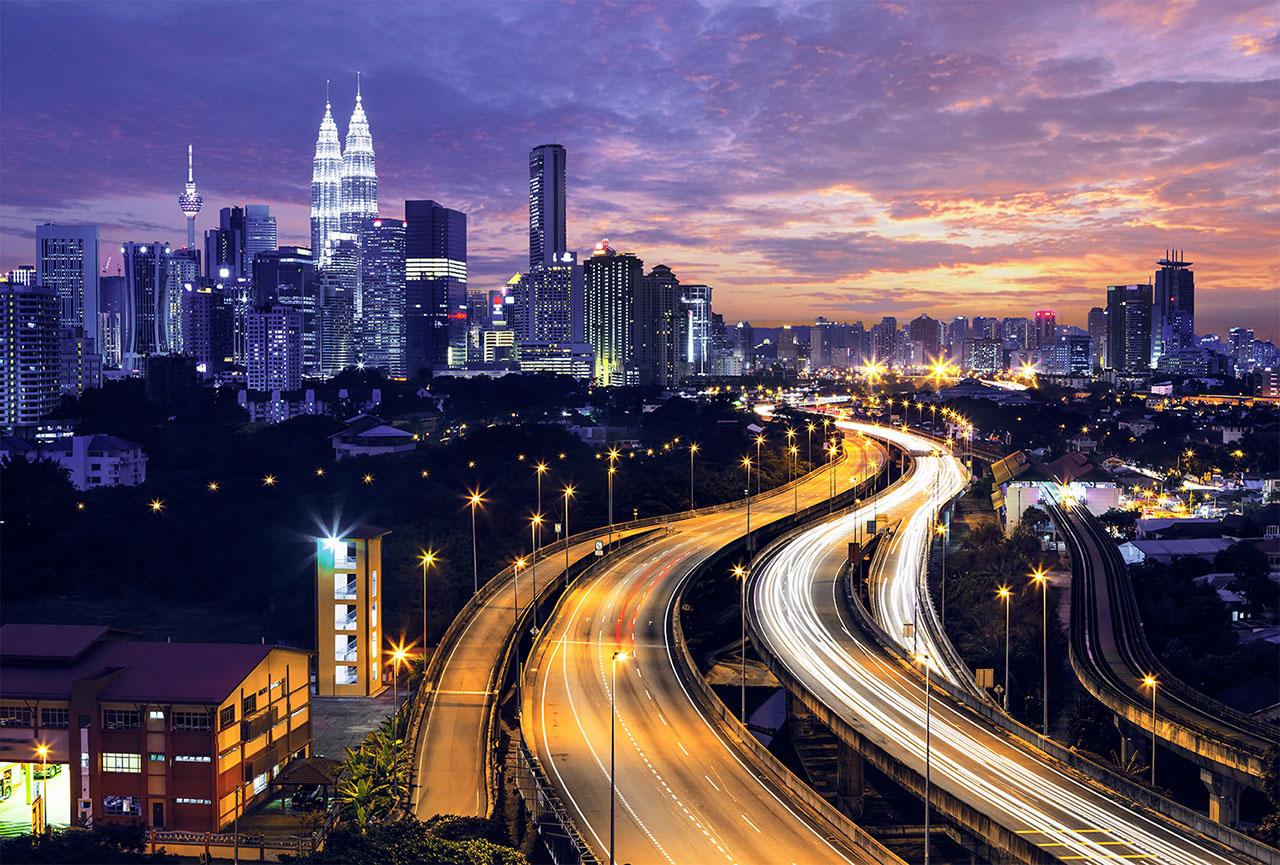
Kuala Lumpur at dusk, an image from Tenaga Nasional's website. It is an illustrative view and does not show the projected 2050 demand or any plant.
Image: Tenaga Nasional Berhad
Source · Image published on the Tenaga Nasional Berhad website, used for news reporting.
Malaysia's Ministry of Energy Transition and Water Transformation (PETRA) said on Nov. 26 that electricity demand will rise to 49.8 GW by 2050, more than double the 22.5 GW to 22.6 GW it expects in 2027, with data centres growing from 11% to 21% of the total.
PETRA's projection has demand rising to 49.8 GW by 2050 from 22.6 GW in 2027 (The Star gives 22.5 GW), with data centres' share growing from 11% to 21%.
Graphic: Voltgrid News
The Star, carrying a Bloomberg report, gives the base year figure as 22.5 GW and does not say which grid it covers. SolarQuarter gives 22.6 GW and says the projection is for Peninsular Malaysia, based on estimates from the Electricity Supply and Tariff Planning and Implementation Committee (JPPPET). Taking SolarQuarter's figures, the rise of 27.2 GW works out at a compound growth rate of about 3.5% a year, which SolarQuarter also states. The ministry named data centres, artificial intelligence, electric vehicles and energy-intensive industry as the drivers.
The new shares sit beside figures the ministry gave Parliament last month. On Oct. 19, PETRA said in a written answer, reported by Bernama, that peak electricity demand from data centres in Peninsular Malaysia is projected to reach 8.39 GW by 2030, with Johor at 4.42 GW and Selangor at 1.48 GW. It said 45 data centres were operating as of August 2026, with 6.04 GW of supply capacity from Tenaga Nasional through the national grid. The reports of the Nov. 26 projection do not say whether the 11% and 21% shares refer to peak demand or to energy consumed, so the two sets of figures cannot be lined up directly.
What the Plan Says About Nuclear and Coal
SolarQuarter reports that PETRA described an initial scenario, discussed at JPPPET Meeting No. 1/2026, in which nuclear power could enter the generation mix from 2040. It could supply about 2% of generation, equivalent to around 2.0 GW, in the period to 2050. Nuclear and natural gas are both being considered as baseload replacements for coal.
The ministry tied those numbers to a comprehensive feasibility study led by MyPOWER, the body that implements Malaysia's nuclear energy programme, according to SolarQuarter. The reports give no completion date for the study, no reactor vendor, no site and no cost. Bloomberg, via The Star, says a move to nuclear in place of some coal is under consideration but not expected before 2040.
What It Means for Data Centre Supply
Adding 27.2 GW in 23 years means building generation and network capacity ahead of demand. Supply capacity already provided to data centres stood at 6.04 GW in August, the ministry told Parliament, so the pace at which operators actually draw on it will decide how much new generation is needed early. Malaysia announced this month a separate wholesale electricity market for large consumers, including data centres, to protect supply for households and factories, Bloomberg reported.
Voltgrid reported on Nov. 15 that Malaysia plans to write data centre power-use disclosure into law, with unused reserved capacity still billed. It also reported the 30% renewable energy requirement for data centres approved on Oct. 27, whose guidelines were still being drafted, and Google's $15 billion commitment to Malaysian data centres for 2027 and 2028.
What Is Not Confirmed Yet
Voltgrid could not read PETRA's own statement or the generation development plan. The figures come from The Star (a Bloomberg report, Nov. 27) and SolarQuarter (Nov. 27), which attribute them to the ministry. The two reports differ on the 2027 base (22.5 GW against 22.6 GW), and only SolarQuarter says the figures are for Peninsular Malaysia, so the national and Peninsular totals should not be treated as the same until the ministry's text is read.
The reports also do not define the base of the data-centre shares. The nuclear figures are an initial planning scenario, not a decision, and depend on the MyPOWER feasibility study. The 2050 split of generation between gas, renewables and nuclear has not been published in the reports we read, and neither has any tariff effect.
Sources
- 01Data Centers to Double Malaysian Electricity Demand by 2050The Starthestar.com.my
- 02Peninsular Malaysia Electricity Demand To Double To 49.8 GW By 2050, Nuclear Power Entry Targeted For 2040SolarQuartersolarquarter.com
- 03Data Centres' Peak Electricity Demand Expected To Reach 8.39GW By 2030Bernamabernama.com
- Published
- Sources
- 3 cited