MediaTek's US$16B AI ASIC Target Rests on One Unnamed Cloud Customer
MediaTek expects US$2.5 billion from its first AI accelerator ASIC in Q4 and about US$16 billion in 2027 as phone sales fell 17% year on year. The pivot rests on one unnamed buyer and supply it only partly controls.
Hardware & Analysis DeskEdited by Ege Erten
6 min readAI-assisted
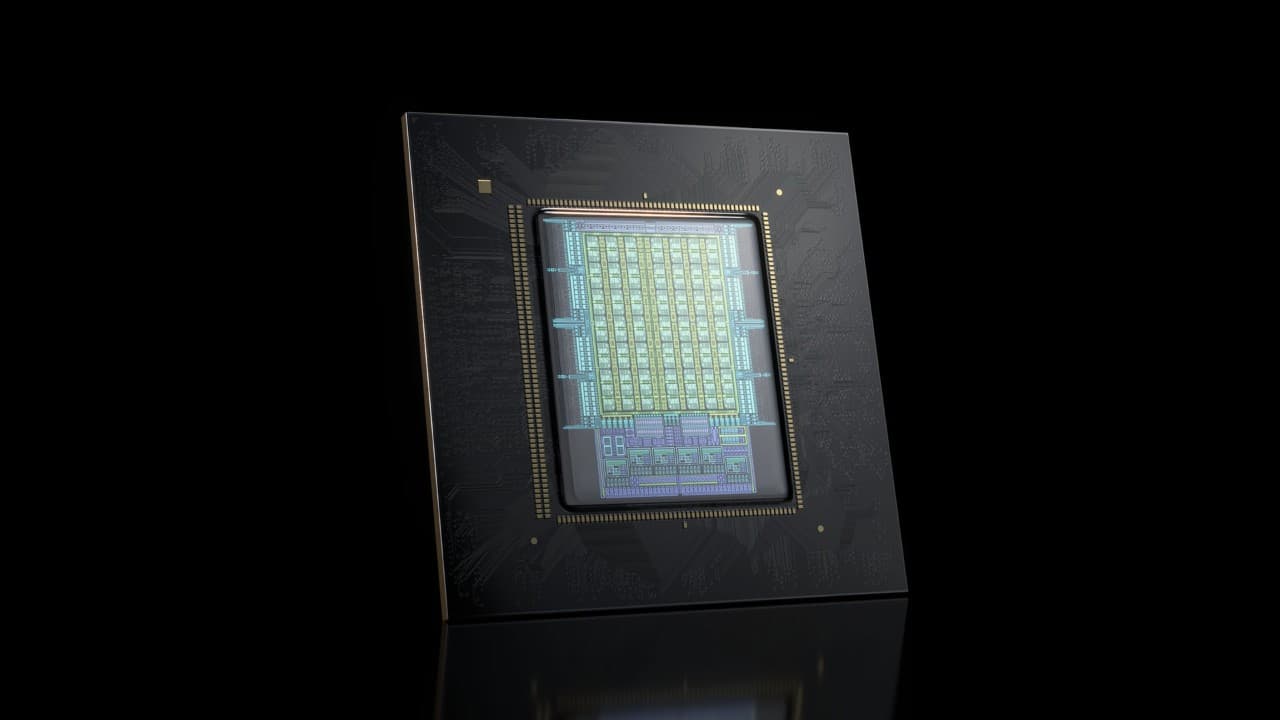
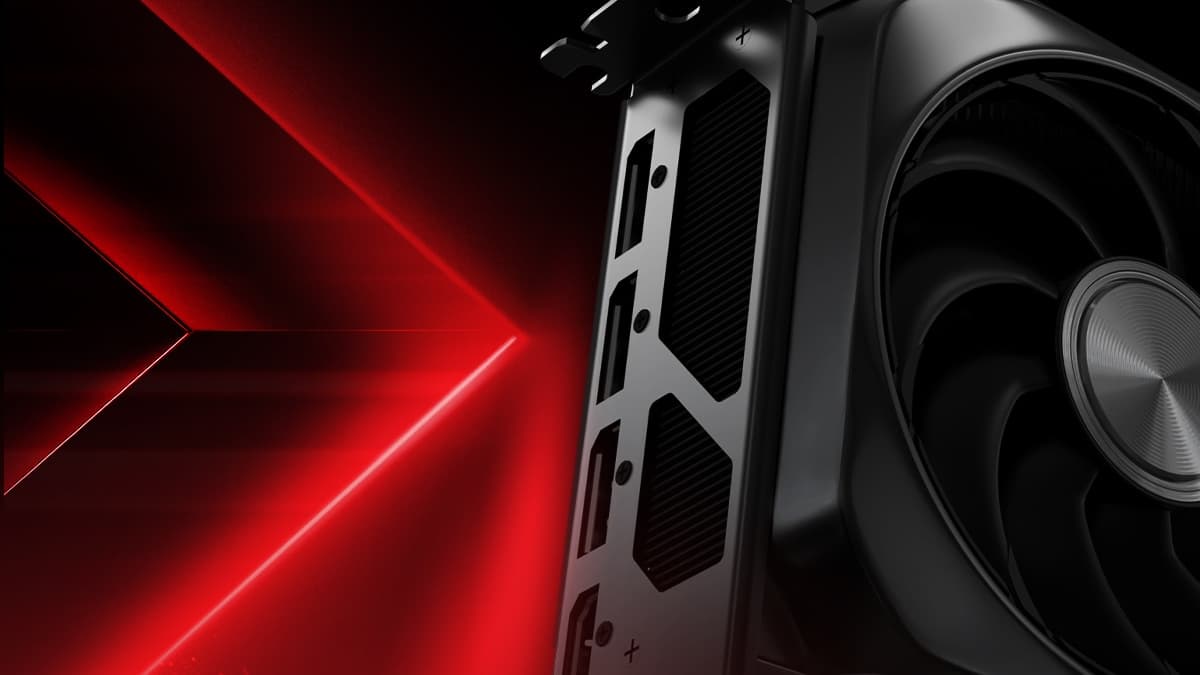
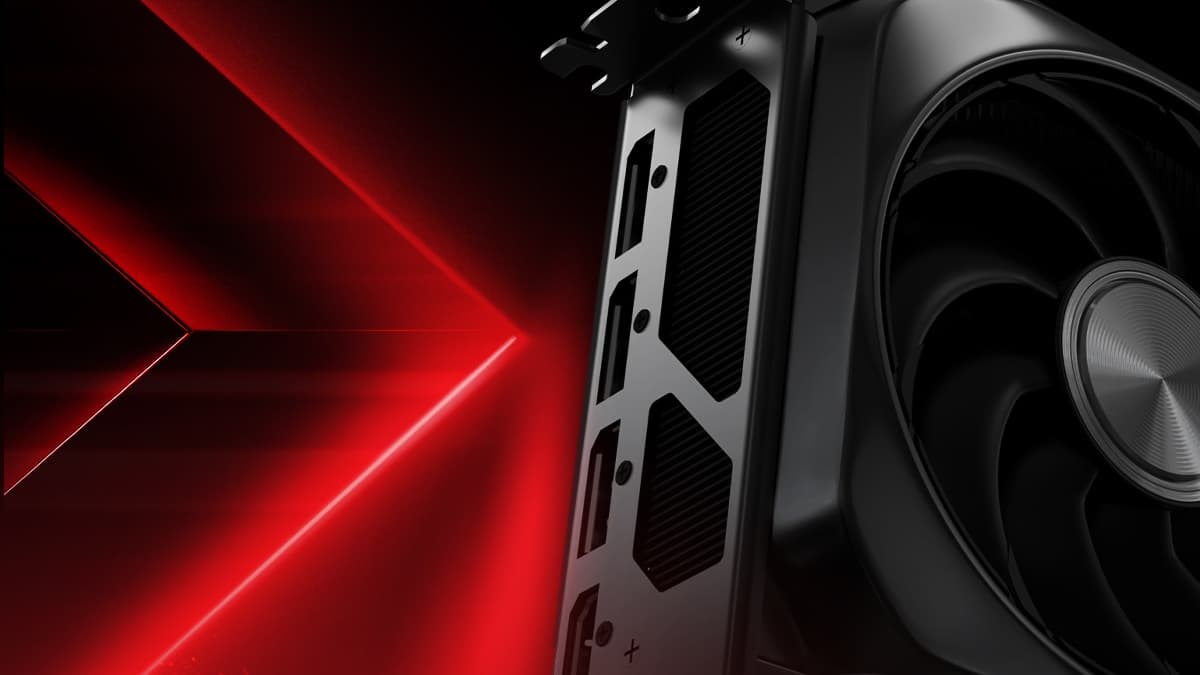
MediaTek's custom data center silicon, as pictured on its website; an illustration, not a photo of a specific installation.
Image: MediaTek
Source · Press image from the MediaTek website, used for news reporting.
MediaTek said on Oct. 30 that its first AI accelerator ASIC, shipping since September, should bring in US$2.5 billion in the fourth quarter and about US$16 billion in 2027. That turns a merchant phone-chip vendor into a data-center custom-silicon house, with the concentration and supply risk that comes with one large program.
The same results show how fast the mix is turning. Mobile Phone revenue fell 17% from a year earlier in the third quarter and made up 37% of sales, MediaTek said. Smart Edge Platforms made up 58% of third-quarter revenue.
What happened
MediaTek reported third-quarter revenue of NT$168.1 billion, up 10.4% on the quarter and 18.3% on the year, above its own guidance range. Gross margin was 46.3% and operating margin 16.1%. Net income was NT$28,199 million, up 14.6% on the quarter and 10.8% on the year, with earnings per share of NT$17.50, according to the company's release. Focus Taiwan (CNA) gave net profit as NT$27.88 billion, which is the share attributable to owners of the parent (NT$27,882 million in MediaTek's release); MediaTek's headline net income figure is used here.
The guidance is where the shift shows. MediaTek expects fourth-quarter revenue of NT$210.1 billion to NT$221.8 billion, up 25% to 32% on the quarter and 40% to 48% on the year, and credited the ramp of its AI accelerator business. CNA converts the low end to US$6.47 billion. MediaTek expects US$2.5 billion from the accelerator inside a quarter guided at NT$210.1 billion to NT$221.8 billion. Chief executive Rick Tsai said full-year growth in US dollars would now beat the earlier high-single-digit target.
For 2027, Tsai said the program should reach the high end of its target range, about US$16 billion, which MediaTek puts at around 20% of the AI accelerator ASIC market. In July the company sized that 2027 market at US$80 billion, accelerators only and excluding high-bandwidth memory (HBM), and raised its share goal to 15% to 20% from 10% to 15%. A second accelerator is on track for high-volume production in the first quarter of 2028. For the second chip, MediaTek claims multiple times higher performance per watt with significantly lower total cost of ownership, without giving a baseline; Voltgrid found no independent data on either chip.
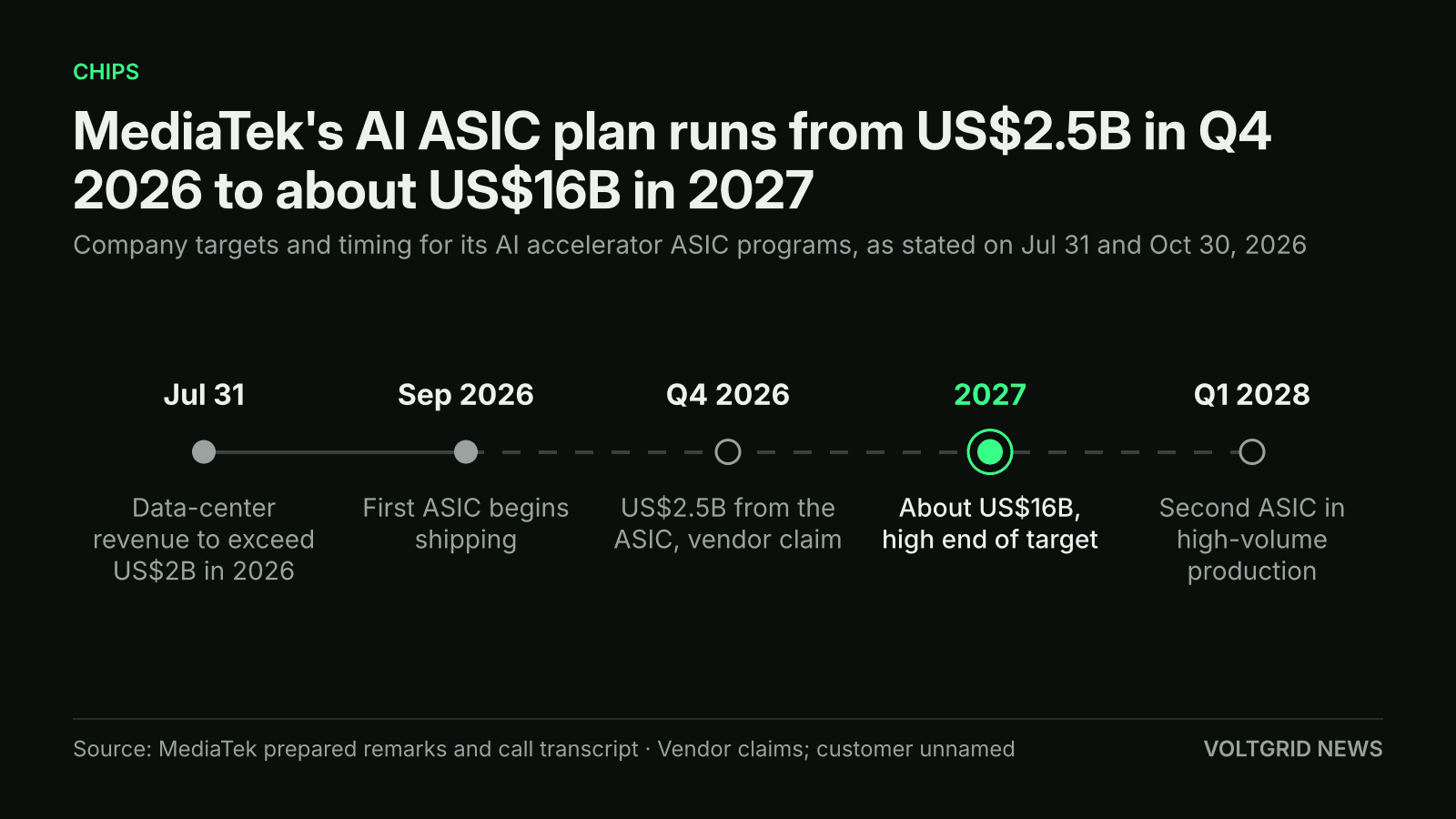
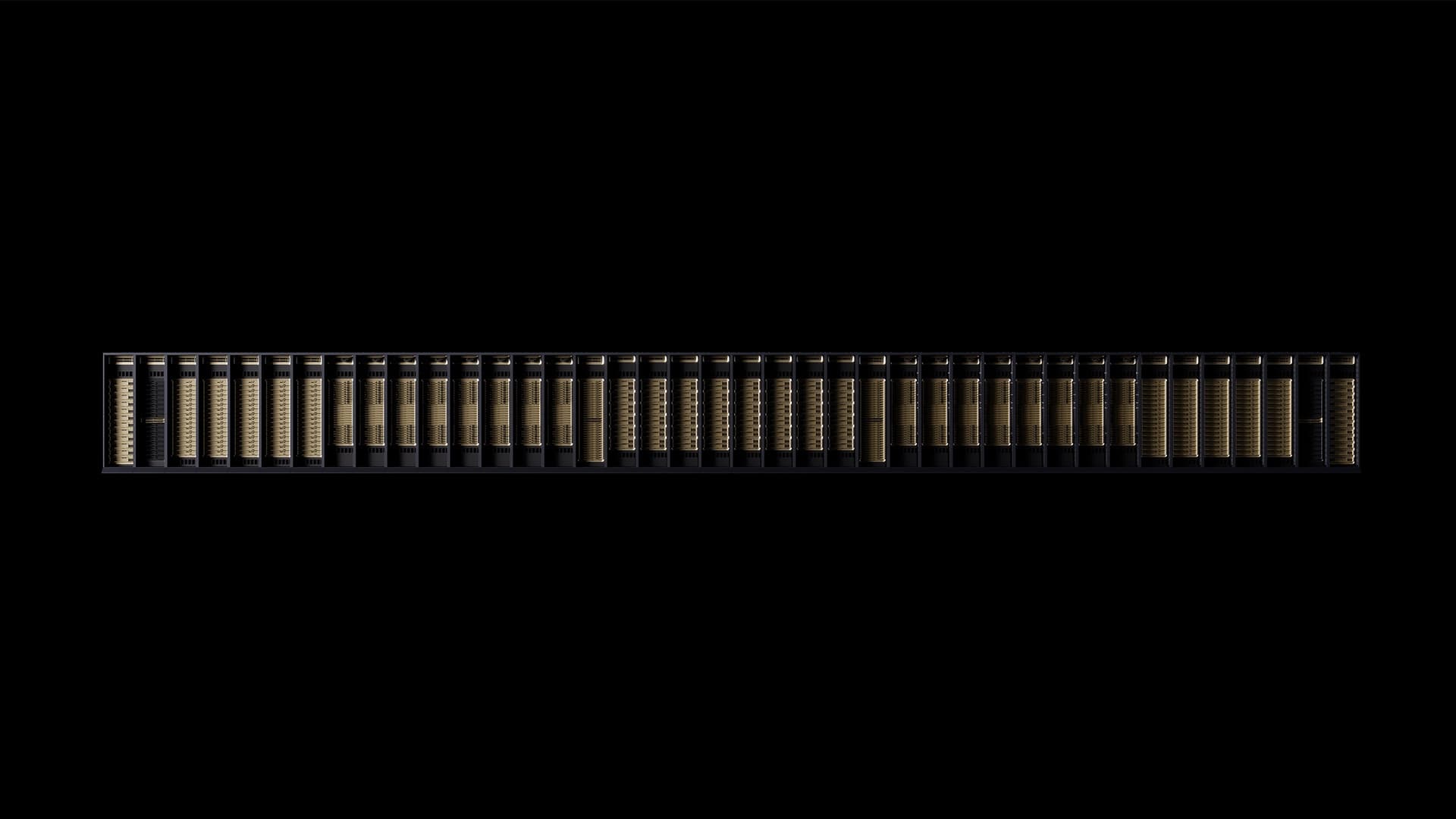
MediaTek's own targets step from US$2.5B of ASIC revenue in Q4 2026 to about US$16B in 2027; all are vendor claims.
Illustration (AI-generated)
Why it matters
MediaTek's pitch is that phone-chip skills transfer: it listed 448G SerDes links, 3.5D packaging and co-packaged optics as work in progress, and said it connects custom XPUs to NVIDIA's NVLink ecosystem through NVLink Fusion and supports UALink for what it called Ethernet-based rack architecture.
The numbers suggest the pitch is landing. Smart Edge Platforms, the group that holds AI PCs, tablets, cockpits and TV chips, grew 63% on the year to 58% of revenue, while phones shrank. Power IC, 5% of revenue, grew 18% on the year, which MediaTek put down to share gains in data-center business. RTX Spark laptops with the N1X chip, which pairs an NVIDIA GPU with a MediaTek system-on-chip, went on sale in mid-October, and a second-generation part is in development. Read together, the company is moving its centre of gravity from handsets toward data-center and PC silicon.
The concentration is the other half of the thesis. MediaTek describes its accelerator customer only as a major US cloud service provider, and on the July call its finance chief called it "our first project". TrendForce, summarising Taiwanese press in August, wrote that MediaTek's two ASIC generations are widely believed to map to Google's TPU programs. Neither MediaTek nor Google has confirmed that. Whoever the buyer is, the 2027 figure rests on one customer's deployment plans.
Supply is the second dependency. MediaTek said on Oct. 30 that it is working with suppliers for more capacity to meet demand. In July it said it designs very large ASICs using both TSMC's CoWoS and Intel's EMIB-T packaging, and its board approved a discretionary US$5 billion financing budget to secure capacity. In the third quarter it completed a US$3.9 billion convertible bond with NVIDIA and Alphabet among the buyers, which it said helps lock in critical components. Alphabet's participation does not by itself identify the customer.
What a Custom AI Accelerator ASIC Involves
A custom AI accelerator ASIC is a chip built for one cloud company's workloads instead of sold off the shelf. The split of work varies: Counterpoint Research reported in April that on Google's TPU v8 parts MediaTek supplies the I/O die while Google designs the compute die. MediaTek says its own part is interconnect IP, advanced process and packaging, and running the supply chain.
That split sets where the risk sits. MediaTek books the US$2.5 billion it expects in the fourth quarter, but it says it builds very large ASICs on CoWoS and EMIB-T packaging, and its chief financial officer said in July that memory is held on the customer's side. Demand, packaging capacity and memory all sit partly outside MediaTek's control.
The case against
The strongest objection is that the risk is smaller than it looks. MediaTek's chief financial officer said in July that supply across foundry, substrate and memory, the last held on the customer's side, was comfortable for both 2026 and 2027 targets. A second program in 2028 would widen the base, and MediaTek says it is engaged with several other customers. Counterpoint Research forecast in April that MediaTek could account for about 26% of AI server compute ASIC unit shipments by 2028, a named estimate measured in units, not revenue. Counterpoint's figure covers Google's TPU v8 parts, not MediaTek's own program guidance.
The phone business is also not collapsing. Flagship chips outperformed in the third quarter as the first phones with the 2nm Dimensity 9600 Pro launched, and the Q3 decline was only 1% on the quarter. On this reading, MediaTek is adding a large customer, not abandoning a franchise.
Margins are a third point to weigh. The fourth-quarter gross-margin guide of 45%, plus or minus 1.5 points, sits below the third quarter's 46.3%. MediaTek did not attribute the gap to the ASIC mix, but chief financial officer David Ku said on the July 31 call that ASIC gross margin should be slightly diluted against the corporate average, with operating margin accretive once the business scales.
What it means for rivals and suppliers
For Broadcom, which also designs custom accelerators, a US$16 billion MediaTek program would give cloud buyers a second large source. Broadcom's own growth is tied to large commitments, including XPUs leased to Anthropic through a financed vehicle, which Voltgrid analysed on Oct. 29. If MediaTek executes, that would give buyers more leverage in the next round of design awards, in Voltgrid's reading.
For the supply chain, MediaTek's target adds to demand for advanced packaging, substrates and HBM, the same parts that have limited GPU shipments. For data-center operators, the claim that matters most is the second chip's performance per watt. If the multiple holds in deployment, more inference fits inside the same power envelope; until a customer or an independent lab publishes figures, it remains MediaTek's claim.
For NVIDIA, MediaTek is partner and rival at once: it bought into MediaTek's bond, co-designs the N1X, and is also the GPU vendor custom ASICs are built to replace in part. The RTX Spark laptops show the partnership side.
What to watch
The first test is MediaTek's fourth-quarter report early next year: whether the accelerator delivered the promised US$2.5 billion, and what the company says about 2027 capacity. The second is any confirmation of the customer from MediaTek or its buyer. The third is the second accelerator's volume start in the first quarter of 2028, which will show whether MediaTek has one program or a business. If the 2027 figure slips on capacity rather than demand, the supply risk will have proven the larger of the two.
Sources
- 01MediaTek 2Q26 Earnings Call TranscriptMediaTek · mediatek.com
- 02MediaTek 3Q26 Earnings Call Prepared RemarksMediaTek · mediatek.com
- 03MediaTek Inc. Reports Third-Quarter Consolidated ResultsMediaTek · mediatek.com
- 04MediaTek expects to hold 20% global share in ASIC used in AI accelerators in 2027Focus Taiwan (CNA) · focustaiwan.tw