MIT Study Links Data Center Power to 650 US Premature Deaths
An Environmental Research Letters paper from MIT estimates that grid power for US data centers caused about 650 premature deaths in 2023, with per-capita rates highest in the Midwest, not in Virginia.
3 min read
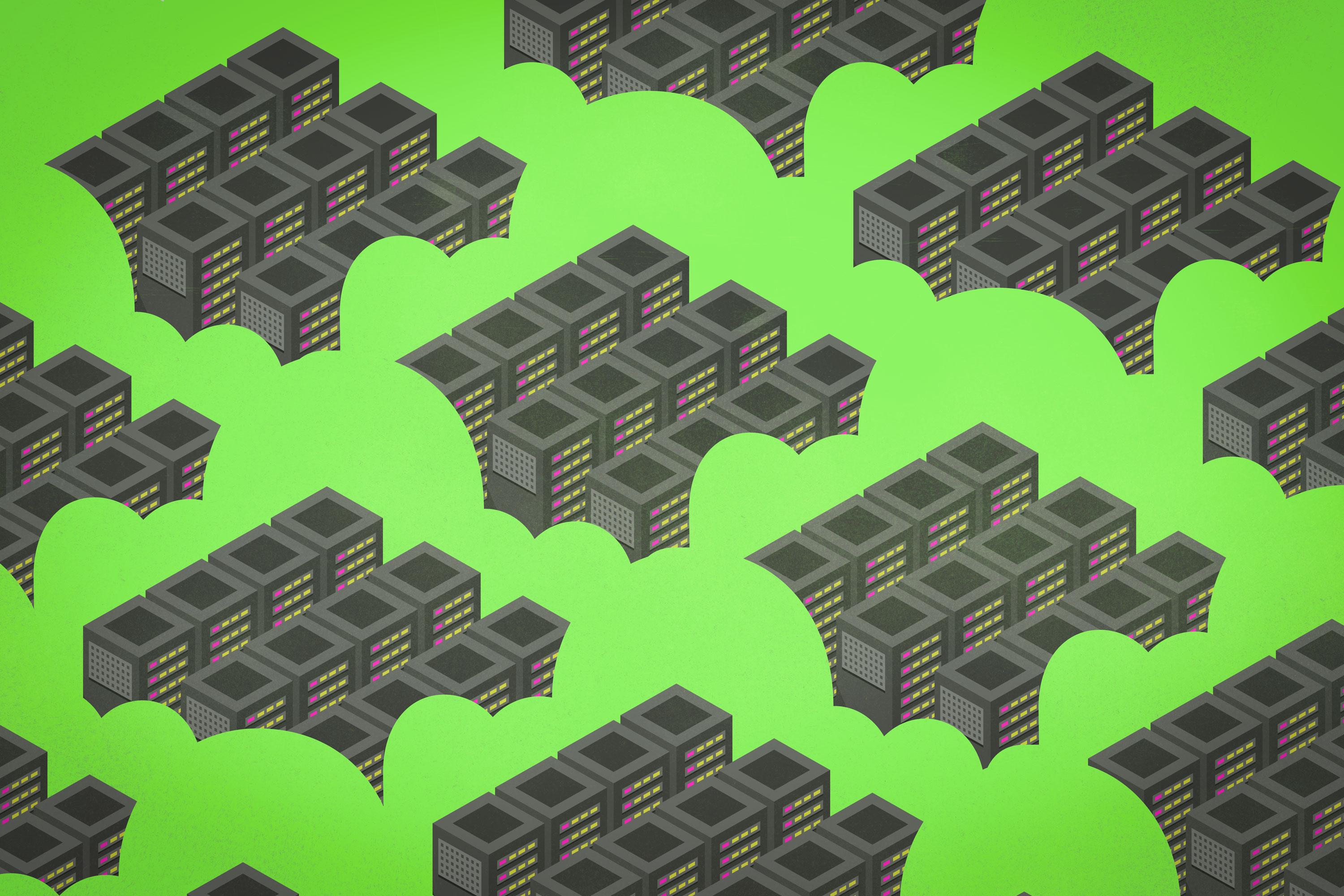
Illustration from the MIT News release on the study of data center air pollution (MIT News; Getty Images). It is an illustration, not a photo of a site.
Image: MIT News; Getty Images
Source · MIT News press image, Creative Commons Attribution Non-Commercial No Derivatives; used uncropped with credit for news reporting.
MIT researchers estimate that the electricity US data centers drew from the grid in 2023 caused about 650 premature deaths, according to a peer-reviewed study published on Nov. 19, 2026 in Environmental Research Letters.
The paper puts the 95% confidence interval at 559 to 740 deaths a year. Of the total, 513 come from fine particulate matter (PM2.5, airborne particles small enough to reach deep into the lungs) and 137 from ground-level ozone, which MIT's release calls smog. The authors say that equals 5.3% of power-sector air pollution mortality, while data centers account for 3.8% of US electricity generation. Noelle Selin, the senior author and a professor at MIT, and lead author Yuang (Albert) Chen worked with colleagues at the University of California, Irvine and Yale University.
Fine particles account for 513 of the 650 modeled deaths a year, ozone for 137; these are model estimates, not a count of deaths.
Graphic: Voltgrid News
The deaths do not fall where the servers sit. Virginia and Texas host the largest data center loads, at 33.9 TWh and 21.8 TWh in the paper's 2023 baseline, yet their per-capita mortality rates are only about half those of most Midwestern states, according to MIT. The highest rates were in Iowa, Nevada, South Dakota and Kansas. The paper reports 6.5 deaths per million people in Nebraska, and elevated rates in Missouri and Arkansas, which host little data center load.
How the study traced pollution across the grid
The team ran a US power-system model twice for 2023, once with observed demand and once with data center demand removed. The difference shows which of the 10,000-plus generators ran harder, hour by hour. Their extra nitrogen oxides and sulfur dioxide then went into the GEOS-Chem atmospheric model, which tracks how those gases turn into particles and drift downwind.
The paper finds that serving data centers required 171.0 TWh of generation, 3.81% of US grid output, and mostly came from natural gas and coal units. That generation produced 7.32% of power-sector nitrogen oxide emissions and 5.63% of sulfur dioxide. In the Midwest, coal-fired units and ammonia-rich air from agriculture favor particle formation, the authors write. A data center in Virginia is likely served by older coal and gas plants in the Ohio Valley, Chen says in MIT's release.
What it means for siting and supply
For grid operators and developers, the finding is that where a data center is plugged in does not say where its pollution lands. In the PJM Interconnection, the paper says, Virginia's demand is met by generation spread across the wider region, which disperses the impact beyond state lines. Chen says siting decisions should weigh air quality alongside land and energy prices. Voltgrid News has tracked the fuel side of this question in its coverage of fossil-heavy hyperscale power use and of gas plants built for data centers.
What the study does not cover
The 650 figure is a model estimate, not a count of individual deaths. The authors assume data centers run at a flat load all year, because hourly load data are not public, and the air model resolves about 50 km, which can miss pollution near a single plant. The study covers grid electricity only and leaves out on-site backup generators, so the authors write that their results likely understate impacts near large facilities. They cite an earlier study by Han and colleagues that put 2023 deaths at about 401 from grid supply and about 30 a year from backup generators.
The researchers say next they want to model on-site power plants at data centers, a growing trend, and test whether shifting data center demand in time would change air quality. The paper gives behind-the-meter generation for data centers as about 3 GW today, small against grid-supplied load.
Sources
- Desk
- Science Desk
- Published
- Sources
- 2 cited