Oklo's Aurora-INL: 75 MWe Fast Reactor Takes DOE, Not NRC, Path
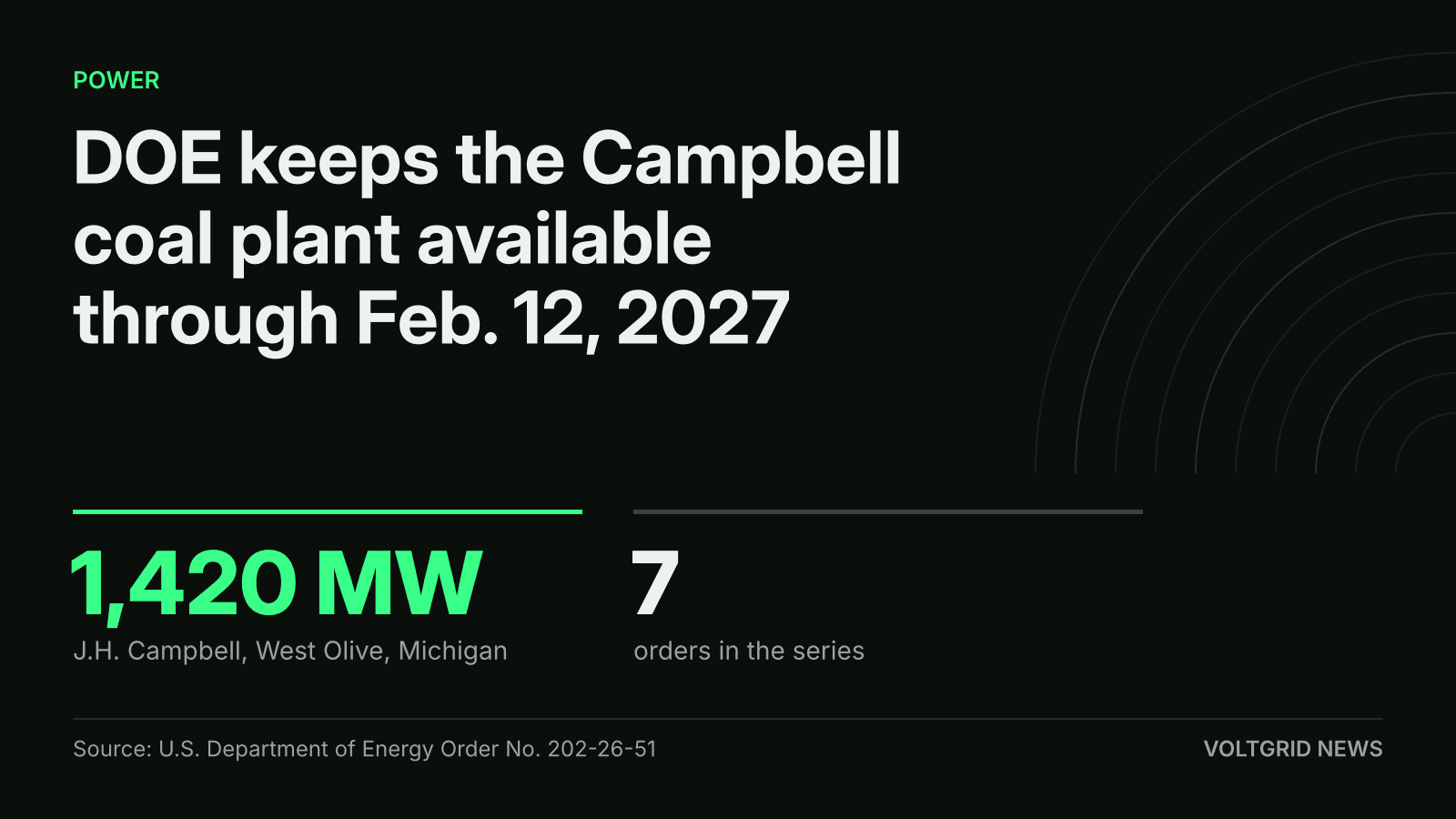
Oklo said on Nov. 11 that structural concrete and steel are in place at Aurora-INL, its first powerhouse. The DOE-authorized 75 MWe reactor has no disclosed start-up date, cost or buyer.
5 min read
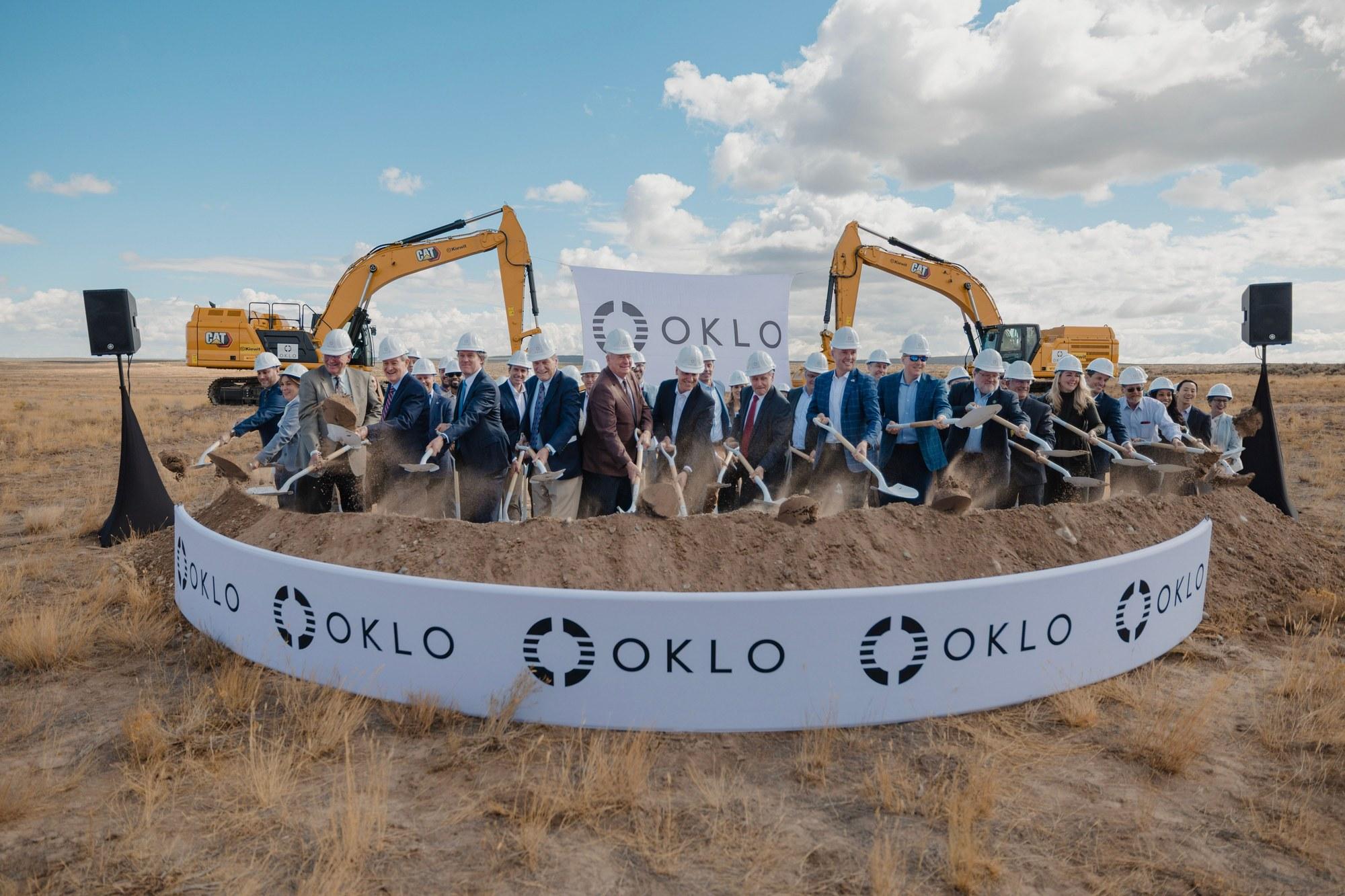
A groundbreaking event at Oklo's Idaho project site, from the company's Idaho page. The photo predates the Nov. 11 concrete and steel milestone at Aurora-INL.
Image: Oklo
Source · Press image from the Oklo website, used for news reporting.
Oklo said on Nov. 11, 2026, that structural concrete and steel are in place at the Idaho National Laboratory (INL) site of Aurora-INL, its first Aurora powerhouse, according to an ANS Nuclear Newswire report of Nov. 16. ANS lists the plant as a 75 MWe sodium-cooled fast reactor. The company made the announcement in a post on X.
The milestone moves Oklo's lead project from site work toward reactor installation. Oklo's third-quarter company update says it plans to install major reactor components at the site within the next 12 months, ANS reported. What the project still lacks in public is just as telling: the sources read for this file disclose no start-up date, no project cost, no dollar value for its agreement with the U.S. Department of Energy (DOE) and no buyer for its power. Oklo's 10-Q calls the same project Aurora-ID.
How Aurora-INL's Fast Reactor and Fuel Work
Aurora is a fast reactor: it runs on fast neutrons, uses metal fuel and is cooled by liquid sodium rather than water. Oklo builds on the Experimental Breeder Reactor-II (EBR-II), a government-run fast reactor that ran in Idaho from 1964 to 1994 and, Oklo says, supplied power to the grid. Oklo says Aurora can run on fresh HALEU, recycled fuel or down-blended material, and that flexibility is the core of its fuel strategy.
Oklo's 10-Q says initial Aurora designs target 15 to 75 MWe, with larger versions of 100 MWe and more possible later. That range is a product line. ANS gives Aurora-INL's own size as 75 MWe, an electric rating, and the NRC's pre-application page gives the Aurora powerhouse design a maximum power level of 75 MWe. No thermal rating appears in the sources read for this file.
Oklo says it has secured fuel for its first deployment: DOE awarded it 5 metric tons of HALEU recovered from used EBR-II fuel, and Oklo plans to turn it into fuel at its Aurora Fuel Fabrication Facility at INL. DOE has approved that facility's safety design strategy, conceptual safety design report, nuclear safety design agreement (NSDA) and preliminary documented safety analysis (PDSA), the 10-Q says; no date for first fuel is given. An 8-K filed on Nov. 17 shows a Nov. 11 supply agreement under which Centrus is to make HALEU available for Oklo's Aurora powerhouses, with take-or-pay enrichment services for deliveries from 2029 to 2031 and two prepayments totalling $35 million, subject to conditions. The filing does not name Aurora-INL. ANS reported that Oklo plans to use Centrus fuel for the Ohio plant, for refuelling Aurora-INL and for other units.
Cost, Buyers and DOE Agreements
Aurora-INL is not a utility deal. Oklo plans to design, build, own and operate its powerhouses and sell power, and this one sits on DOE land under a DOE site use permit. Its agreements with DOE, as the 10-Q lists them, are the site use permit, the HALEU fuel award and an Other Transaction Agreement (OTA) executed in February 2026. World Nuclear News reported in September 2025 that Kiewit Nuclear Solutions is lead constructor.
The money is not disclosed. Oklo's 10-Q warns that its first powerhouses will likely face unexpected costs and construction delays, and says Aurora-ID carries extra fuel and core testing capability that later units will not need. No offtaker for Aurora-INL's output is named. Oklo's buyer agreements sit elsewhere: a 12 GW master power agreement with Switch from December 2024, which the 10-Q lists among preliminary agreements still to be turned into binding power purchase agreements, and Meta's January 2026 prepayment agreement for a planned 1.2 GW campus in Pike County, Ohio, covered in our project file on the Ohio campus.
DOE Authorization vs NRC Licensing
Aurora-INL is being authorized by DOE under its Reactor Pilot Program, not licensed by the Nuclear Regulatory Commission (NRC). DOE authorization is not an NRC licence. World Nuclear News notes that commercial designs are reviewed by the NRC while DOE can authorize research, development and demonstration reactors; Oklo's 10-Q nonetheless calls Aurora-ID a commercial powerhouse operating under DOE oversight. Oklo's 10-Q names DOE authorization as the primary path for construction, commissioning and operation, and says Oklo is still weighing the timing and form of any NRC application, including under the new Part 53 framework.
The steps so far, per the 10-Q: selection for the pilot program in August 2025, DOE approval of non-nuclear construction and groundbreaking in September 2025, the OTA and the NSDA in February 2026, NRC approval of Oklo's principal design criteria report in April 2026 (a design report, not a licence or permit), and DOE approval of the PDSA in June 2026. Oklo likens the PDSA to an NRC construction permit; that comparison is the company's. DOE's path has five steps: Oklo's 10-Q counts the NSDA and PDSA among them, and ANS counts the PDSA as the third. ANS says a documented safety analysis (DSA) and a final readiness review remain before start-up. An NRC rule effective Nov. 25, 2026, sets a framework for using data from DOE-authorized reactors that have demonstrated safe operation in NRC licence applications, and Oklo says it intends to draw on it, according to the 10-Q.
Six Aurora-INL steps are done as reported; the DSA, final readiness review and start-up are still ahead, with no dates disclosed.
Graphic: Voltgrid News
Oklo's smaller project shows what that last stretch looks like. Its Groves-1 test reactor in Lockhart, Texas, a pool-type water-cooled unit, moved from PDSA approval on May 27, 2026, to DSA approval on June 30 and start-up authorization on July 23, the 10-Q says, and reached criticality on Aug. 5, ANS reported. DOE then cleared it for research and training, as we reported on Nov. 11. Groves-1 is a test reactor, not a 75 MWe powerhouse, so its pace is not a forecast for Aurora-INL.
What Aurora-INL Means for Data Center Power
Aurora-INL is the first test of the design behind Oklo's data-center agreements. Oklo's Meta and Switch agreements assume Aurora units that have not yet run; neither the Switch master power agreement nor Meta's prepayment agreement for a planned campus commits firm capacity, and Aurora-INL is the first unit going in the ground. That suggests the site's progress will shape how much weight buyers give those agreements.
The project is also Oklo's clearest focus. The company has dropped the power reactor from its Indiana LEAP site to pursue isotopes there, as we reported on Nov. 20. Its supply chain is being set up behind Aurora: forging capacity at U.S. Forged Rings from 2030 (our Nov. 8 story) and HALEU contracts with Centrus from 2029 (our Nov. 13 story). A buyer weighing Oklo against gas or a grid upgrade can track one site to see whether the design delivers.
What to Watch Before Start-Up
The first marker is Oklo's own: installation of major reactor components at the INL site within 12 months of its third-quarter update. DOE approval of the DSA for Aurora-INL, and the final readiness review after it, have no published dates. Fuel fabrication at the Aurora Fuel Fabrication Facility must also be complete before start-up. Oklo has not stated a start-up date in the documents read for this file, and any NRC application for Aurora-INL or later units is still under evaluation by the company.
Sources
- 01Oklo Inc. Form 8-K: HALEU Supply Agreement with Centrus dated November 11, 2026Oklo (SEC 8-K)sec.gov
- 02Oklo Inc. Form 10-Q for the quarter ended September 30, 2026Oklo (SEC filing)sec.gov
- 03US test reactor cleared for operationsWorld Nuclear Newsworld-nuclear-news.org
- 04Oklo roundup: Groves-1 plans, Centrus contract, Aurora concreteANS · Nuclear Newswireans.org
- 05Oklo breaks ground for first Aurora powerhouseWorld Nuclear Newswnn.world-nuclear.org
- Published
- Sources
- 5 cited