SpaceX $43B GPU Debt: Lenders Reportedly Seek Orbit Ban on NVIDIA Chips
Lenders on SpaceX's roughly $43 billion GPU debt want the pledged NVIDIA chips kept out of orbit, the Financial Times reported. Whether the clause made the final terms is unknown.
3 min read
Follows SpaceX Bond Sale: $32B of Nvidia Chip Debt, $25.2B at 8.259%
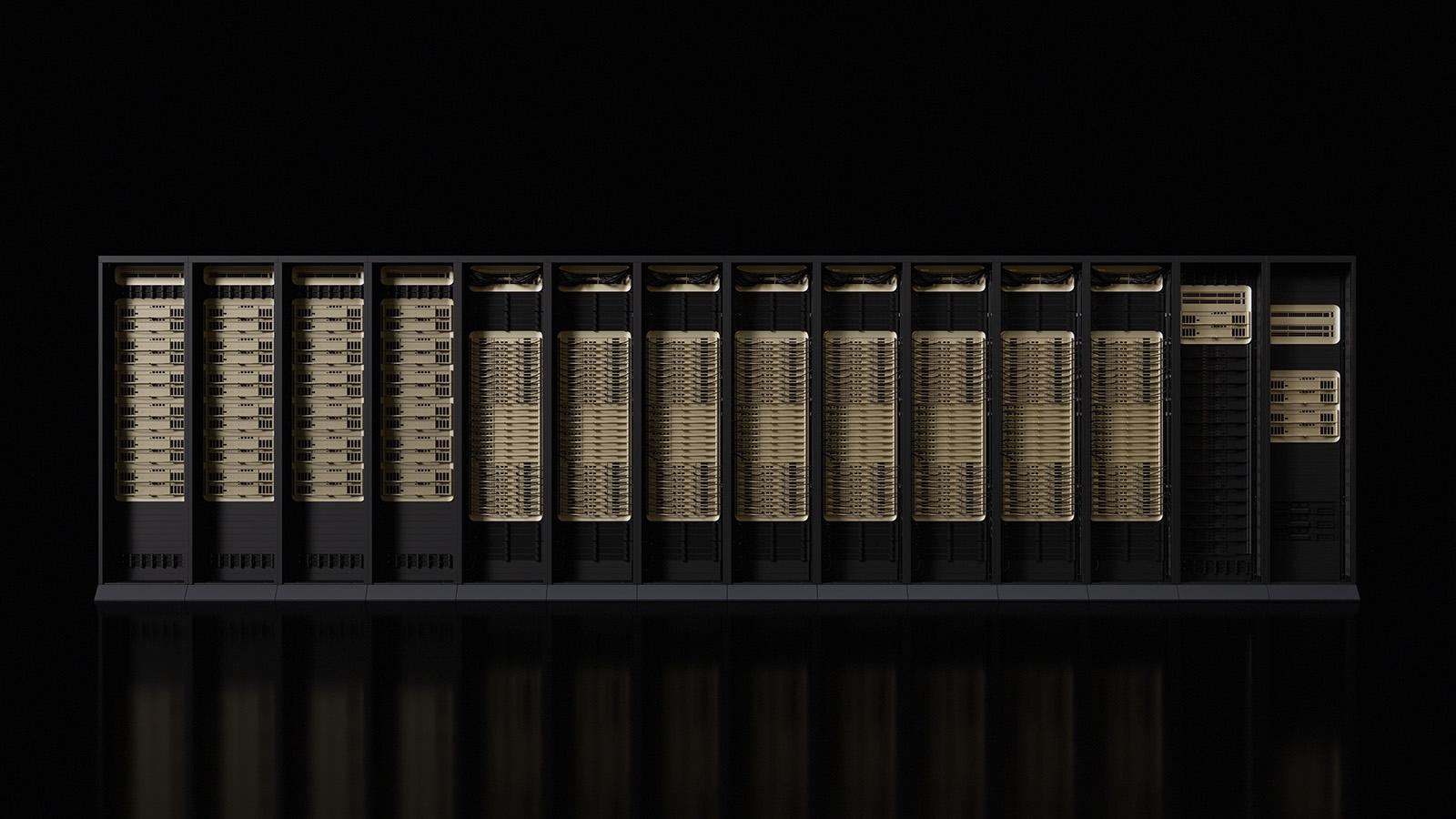
NVIDIA's Rubin platform rack lineup. The reported Project Saturn collateral is NVIDIA Vera Rubin GPUs; this is NVIDIA's official platform image, not the SpaceX hardware.
Image: NVIDIA
Source · Press image from the NVIDIA newsroom, used for news reporting.
Lenders behind SpaceX's roughly $43 billion Project Saturn GPU debt package asked for safeguards that would stop the NVIDIA chips pledged as collateral from being launched into orbit, the Financial Times reported on Nov. 19–20, according to Gizmodo and Yahoo Finance.
The Financial Times, citing people familiar with the talks, said lenders worry that chips sent to orbital data centers would be hard to recover and resell if SpaceX defaulted, Yahoo Finance reported. Gizmodo adds that the lenders want legal assurance, not just a statement of intent. The Financial Times could not establish whether any such clause reached the final documents, and SpaceX did not respond to Gizmodo's request for comment. SpaceX has said it plans to run the chips in data centers on Earth.
This is a follow-up to our Nov. 20 story on the bond sale, which covered the pricing and the lease structure and said nothing about where the chips may go. The new element here is a lender-side condition on location, and it is still a report, not a published term.
What the $43 Billion SpaceX GPU Debt Covers
Yahoo Finance describes the $43 billion as the whole debt financing package, with a $25 billion investment-grade bond backed by lease payments for NVIDIA chips as its largest piece. It also carries Bloomberg's figure of about 8.3% for the pricing and ratings of A3 from Moody's and A-minus from KBRA. Gizmodo instead calls it "$43 billion worth of Nvidia chips" held as collateral, a looser phrasing that the two outlets do not reconcile.
The other numbers in circulation cover different things. Musk said on X on Oct. 25 that SpaceX had closed a $40 billion GPU debt raise, as Voltgrid reported. SpaceX's Oct. 26 8-K, as summarized by PitchBook and carried by Morningstar, described that $40 billion as a master finance lease: Apollo buys NVIDIA Vera Rubin GPUs and leases them to SpaceX in tranches, with lease schedules of roughly 5.00 to 5.25 years and leasing to start in the first half of 2027. Our Nov. 20 story gave $32 billion as the bond sale alone, with its largest slice of about $25.2 billion at 8.259%, which Bloomberg described as one part of a financing of more than $40 billion that also includes bank loans. The $43 billion is therefore a larger debt total than the roughly $40 billion first cited, and neither report explains the difference.
The reported $43B is the whole package; $40B, $32B and ~$25.2B each cover a different piece, and the sources do not reconcile them.
Graphic: Voltgrid News
Why Lenders Want the Chips Kept on Earth
Lenders in an asset-backed deal need to find, seize and sell the equipment, and the useful life of GPUs is short. KBRA, in the rating release we cited on Nov. 20, listed technological obsolescence and uncertain realizable value of the GPUs among its risks. A clause tying the chips to Earth-based sites would keep them where a lender can reach them, and it fits a plan under which the chips power ground campuses.
For power and capacity planners, the practical reading is narrower. Neither report gives a GPU count, a site or a megawatt figure for the financed hardware, so the electrical load cannot be derived. Gizmodo notes that SpaceX's orbital data-center plans are still at the blueprint stage, and that its January filing with the Federal Communications Commission sought approval for one million orbital data center satellites.
What Is Still Unconfirmed About the Orbit Ban
Whether a no-launch restriction is in the final Project Saturn documents is unknown; the Financial Times could not determine it. The Financial Times report is paywalled, so we cite Gizmodo and Yahoo Finance, which carry it, and the lenders' concerns come from unnamed sources. The sources also differ on the day of the report: Yahoo Finance says Thursday, Nov. 19, while Gizmodo says Friday, Nov. 20. SpaceX has not published the loan terms, and the Bloomberg pricing and the ratings reach us through Yahoo Finance.
Sources
- 01SpaceX Strikes $40B GPU Leasing Deal with Private Credit PlayersMorningstar (PitchBook)morningstar.com
- 02Elon Musk's Lenders Have One Request: Please Don't Launch Our AI Chips Into SpaceGizmodogizmodo.com
- 03SpaceX Lenders Seek Restrictions on Moving Nvidia AI Chips Into Orbit, FT ReportsYahoo Financefinance.yahoo.com
- Published
- Sources
- 3 cited