TSMC, Samsung Reportedly Suspend Some China Shipments Pending US Licenses
TSMC and Samsung told Chinese customers they will hold some chip shipments until US licenses arrive under a Nov. 16 BIS rule, the FT reported; TSMC clients named include Xiaomi, Oppo and Vivo.
2 min read
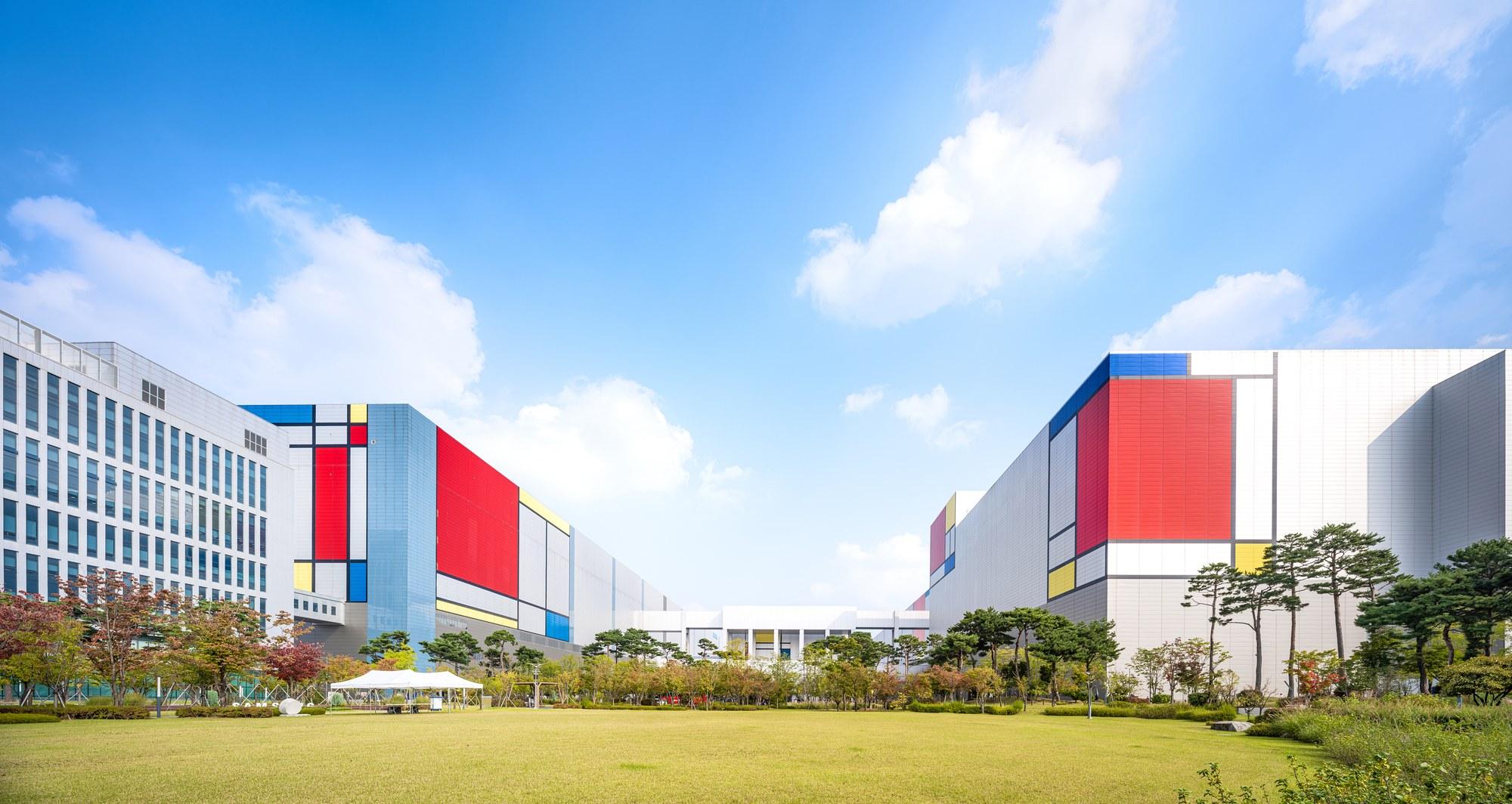
Samsung's Pyeongtaek campus in South Korea. The photo is a Samsung site view, not the specific lines or shipments in the FT report.
Image: Samsung Electronics
Source · Press image from the Samsung Newsroom, used for news reporting.
TSMC and Samsung Electronics have told Chinese customers they will hold back certain processors while they apply for US Commerce Department licenses, the Financial Times reported on Nov. 19, citing multiple people briefed on the matter.
The Financial Times named Xiaomi, Oppo and Vivo as TSMC smartphone-chip customers affected, according to FinanceFeeds, which relayed the report. Samsung's Chinese customers include Baidu's AI data-centre unit Kunlun and TikTok owner ByteDance, but the reports available do not establish that shipments to either company are on hold. TSMC did not respond to the FT's request for comment, and Samsung declined to comment.
What triggered the pause
The trigger is an interim final rule from the Bureau of Industry and Security (BIS), "Addressing Remote Access to Advanced Semiconductors", released on Nov. 16 and published in the Federal Register on Nov. 19. In the rule's own summary, BIS says it cuts the number of ways foundries and chip packagers can overcome the export-control presumption for advanced-node logic chips when the designer sits in a destination that faces a license requirement. We covered the rest of the package, including the five-country license requirement, as Voltgrid reported.
A lawyer briefed on the matter told the FT that TSMC and Samsung now need licenses for consumer chips made on advanced processes, FinanceFeeds relayed. An industry insider told the FT that Commerce would likely grant licenses for smartphone chips, though the wait would cause significant manufacturing delays.
Why it matters for AI chip supply
Chinese AI buyers were already short of NVIDIA parts, as Voltgrid reported when NVIDIA stopped shipping to China. Kunlun and ByteDance have sought to diversify supply, FinanceFeeds said, so a license queue at a foundry hits the substitute route, not only the NVIDIA one.
Smartphones made up 21% of TSMC's $46.72 billion third-quarter revenue, about $9.8 billion, and high-performance computing 68%, FinanceFeeds said, citing The Next Web. Only advanced-node chips for designers outside BIS's approved lists need the new licenses, so that 21% is a ceiling on the exposure, not an estimate of it.
Smartphones were 21% of TSMC's Q3 revenue and HPC 68%, as FinanceFeeds reported, citing The Next Web.
Graphic: Voltgrid News
How broad the rule reads
Chris McGuire, a former White House National Security Council official now at the Council on Foreign Relations, read the rule broadly in a ChinaTalk interview published Nov. 17. In his reading, any Chinese company making a chip at 14 nanometers or more advanced must apply for a license whether or not the chip is meant for AI, so Xiaomi would need one for a 3-nanometer phone chip at TSMC. That is one analyst's interpretation, not BIS's wording.
What is not confirmed yet
Neither company has confirmed the suspension, and the FT's sources are unnamed. Which customers are affected, which chips and process nodes are covered, how many shipments are held and for how long are all unreported. The reports available do not say whether a specific US order or license decision prompted the pause or whether it only reflects the rule taking effect.
FinanceFeeds also relayed a Shanghai Securities News report that a rumor of a Samsung foundry crackdown was inaccurate, and that the actual source was the BIS rule. The next fact to watch is how quickly Commerce acts on the first license applications.
Sources
- Published
- Sources
- 3 cited