San Jose Data Center Moratorium Approved Unanimously, 12 Projects Held
San Jose's council paused land-use approvals for 12 data center projects under review until new standards take effect. A Dec. 8 vote is next, and Google's 250 MW Alviso site was in line, per KQED.
3 min read
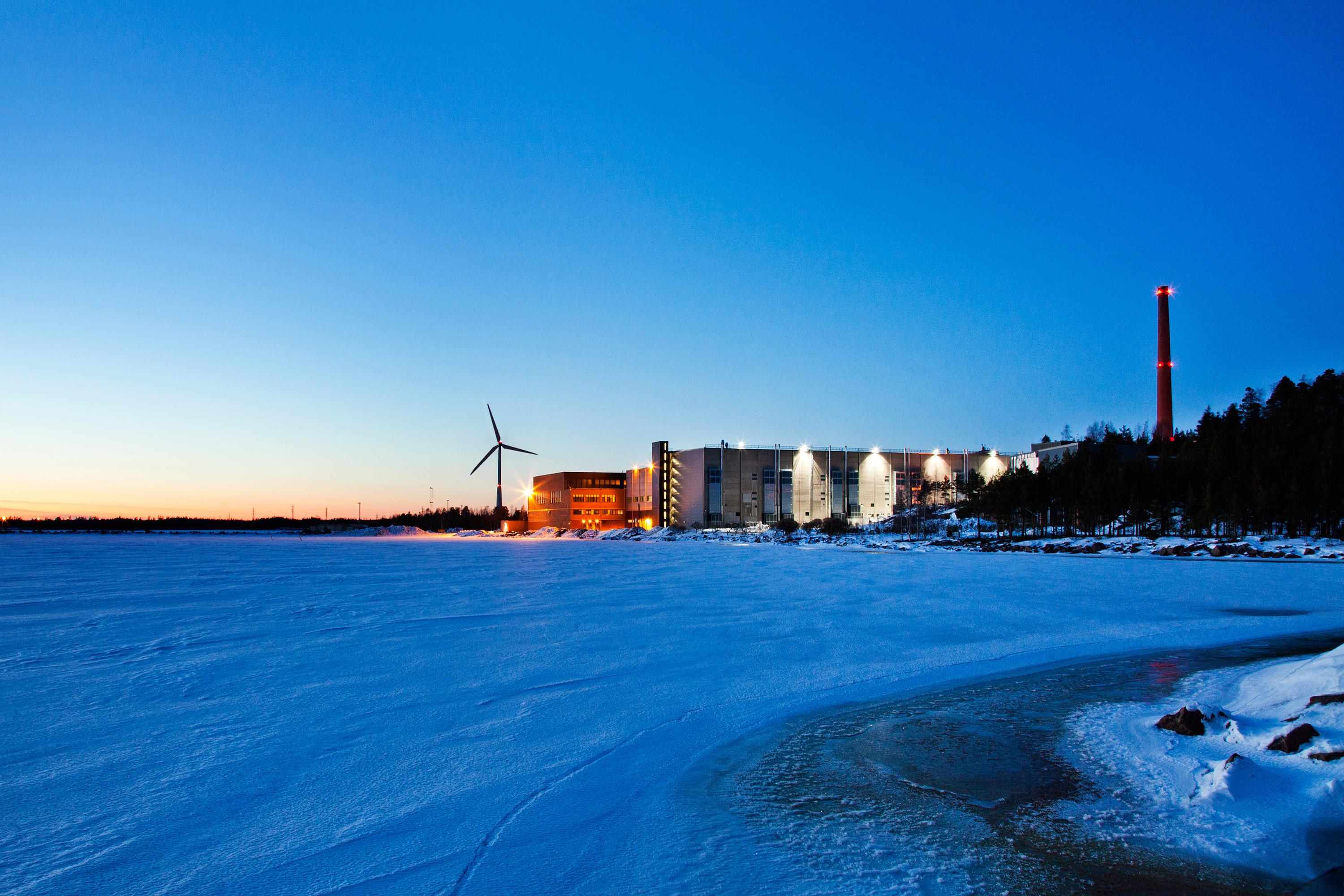
A Google data center in Hamina, Finland, shown as an example of the company's facilities; it is not the Alviso project in San Jose. (Google)
Image: Google
Source · Press image from the Google data centers site, used for news reporting.
The San Jose City Council voted unanimously on Nov. 17 to pause land-use approvals for data centers and other large energy-use projects, including 12 proposed projects now under city review, according to San José Spotlight.
The pause lasts until the council finalizes its data center regulatory package, which is meant to set minimum benchmarks for energy use, water use, air pollution and noise. Spotlight describes the measure as enacted. The council also designated the standards an "urgency ordinance," so they take effect immediately if the council approves them on Dec. 8, rather than after the usual 30 or 60 days, as KQED explained when the mayor's office proposed the move on Nov. 12.
For power planners, the practical effect is a freeze on the city's pipeline. KQED reported that city officials said Google's planned research and development facility in the Alviso neighborhood would draw 250 MW, and that it was one of two projects that could have won approval before the standards applied. KQED also said the large projects planned in northern San Jose could together draw more than 800 MW. No data center or large energy-use project can clear the city's land-use approval step while the pause is in force.
The council's Nov. 17 vote holds 12 projects until standards are decided; the Alviso Google site is 250 MW and northern San Jose projects total more than 800 MW.
Graphic: Voltgrid News
What the Pause Covers and When It Ends
The moratorium lapses once the new standards take effect. Officials told Spotlight that the pause on new approvals will nonetheless run into the new year because the council recesses in December and January. The Planning Commission was due to review the standards on Nov. 18, ahead of the Dec. 8 council vote.
Mayor Matt Mahan and Councilmembers Pamela Campos, David Cohen, Peter Ortiz and Domingo Candelas authored the measure and announced it on Nov. 12. That came days after Spotlight reported that the Google project could be approved before the standards existed. Mahan had previously opposed a moratorium, KQED reported, and city leaders had argued that no project was likely to finish approval before the rules arrived.
What the Draft Standards Require
According to Spotlight, the draft standards released in October require data centers to use 100% carbon-neutral electricity, prohibit certain cooling systems that use potable water and set strict limits on backup generators. They also add labor standards for construction and community impact fees that would fund city priorities such as affordable housing.
Opinion in the room was split. Eric McNamara of the Silicon Valley Leadership Group, an industry body that had opposed moratorium proposals, called the pause "a reasonable step" toward timely standards. Residents and the Sierra Club Loma Prieta Chapter said it falls short and asked for a longer pause to study cumulative health, environmental, climate and financial impacts.
How San Jose Compares With Other Pauses
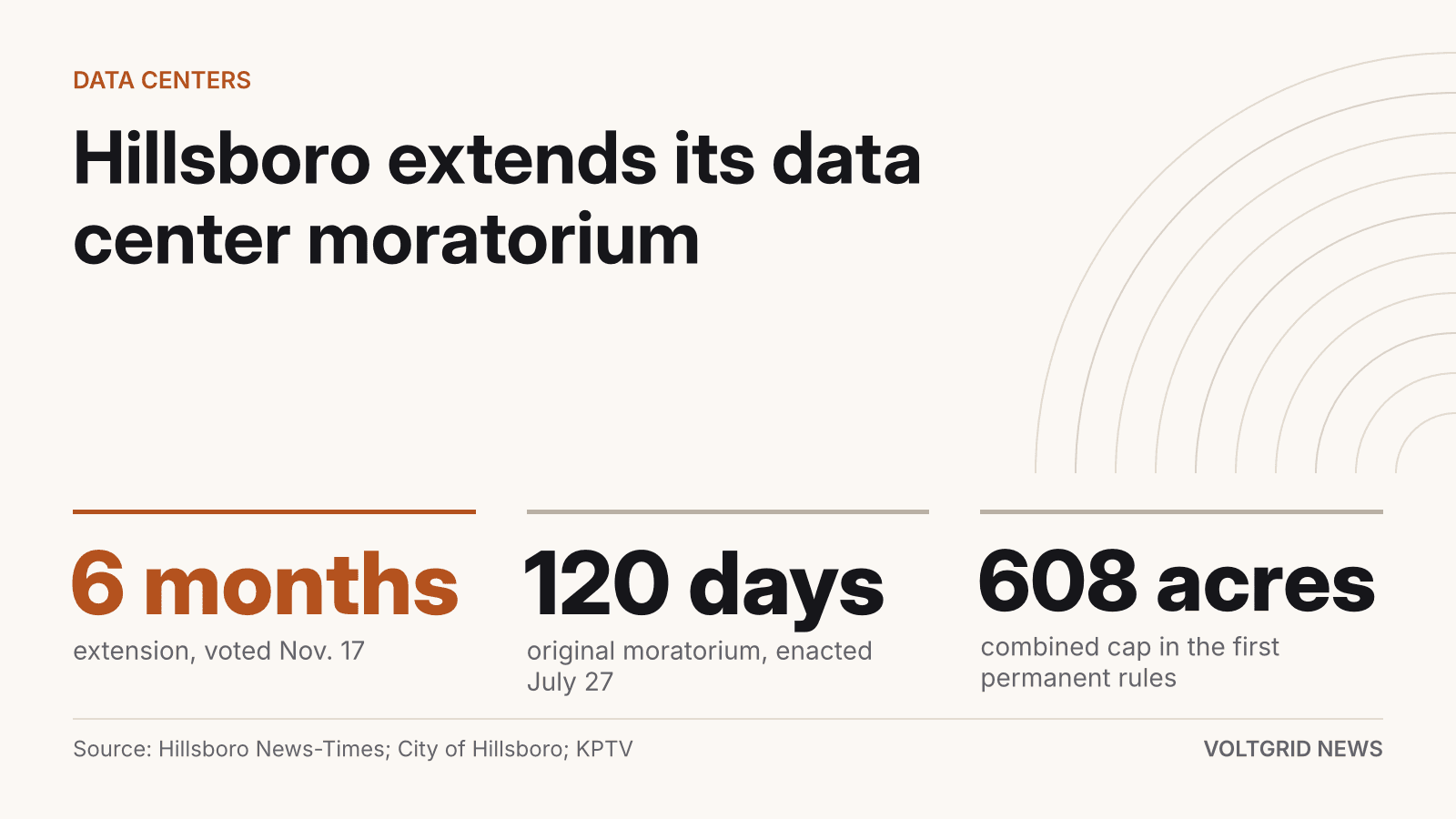
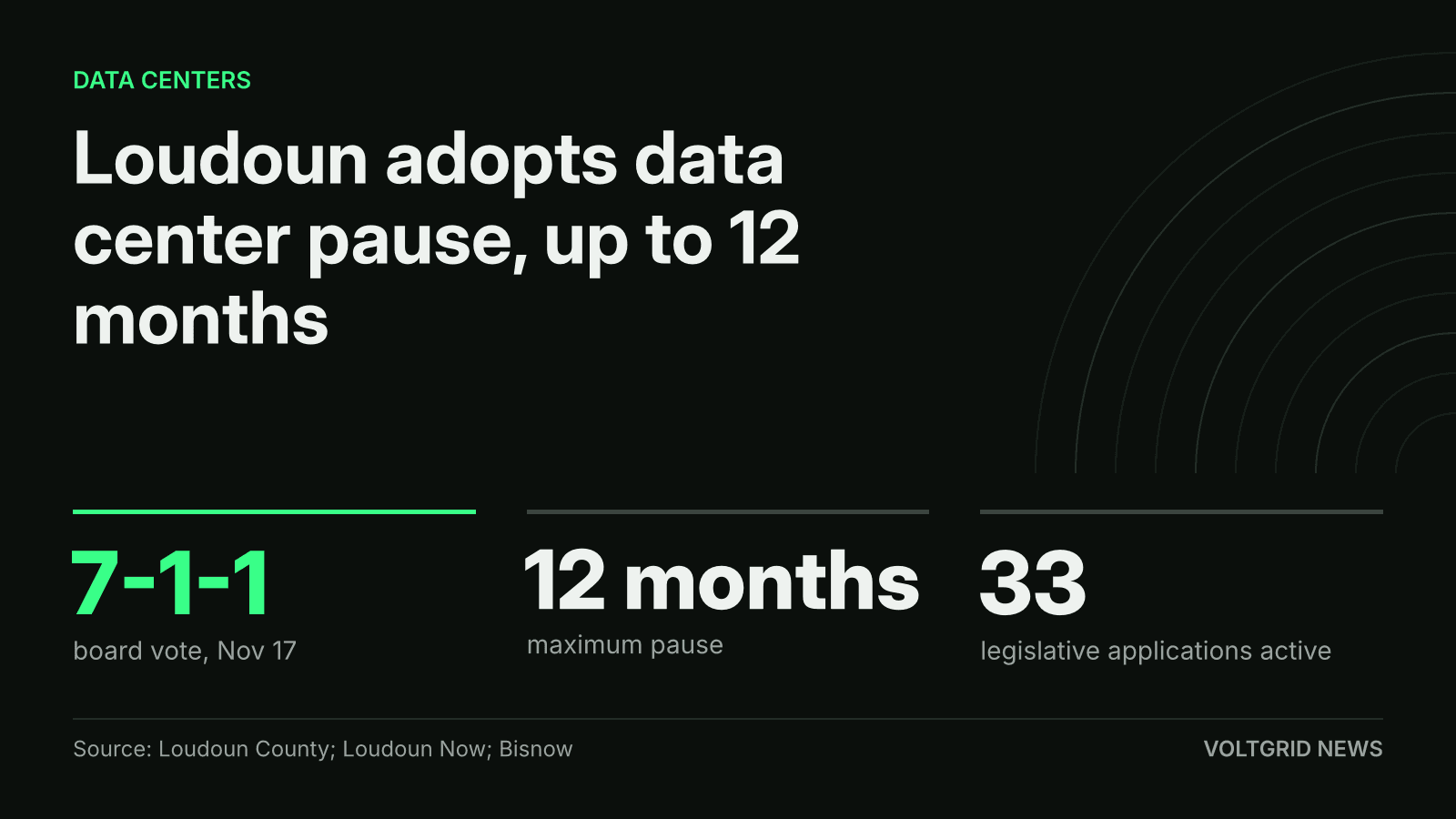
Spotlight lists San Francisco, Oakland and Richmond among Bay Area cities that already enacted temporary moratoriums. Voltgrid News reported that Oakland extended its pause 10.5 months to Oct. 5, 2027, and that Loudoun County adopted a pause by a 7-1-1 vote lasting up to 12 months. San Jose's pause has no fixed term: it ends when its own standards start. Our roundup of 17 moratorium cases since Oct. 1 tracks the wider wave.
What Is Not Confirmed Yet
The city's own council memo and press release could not be opened for this report, so the vote and its terms rest on San José Spotlight, with KQED's Nov. 12 account of the proposal as a second source. The exact end date of the pause is not stated: it depends on the Dec. 8 vote, and the holiday recess may push the practical effect into January or later. The Planning Commission's Nov. 18 recommendation and any changes to the standards are still pending.
Sources
- Published
- Sources
- 2 cited