Project Obsidian: Quaise's 50 MW Superhot Geothermal PPA With Google
Project Obsidian is Quaise's planned 50 MW superhot geothermal plant in Central Oregon; Google's PPA targets power as early as 2030, but term, price and delivery path are unpublished.
5 min read
Follows Google Signs 50 MW Superhot Geothermal PPA With Quaise Energy in Oregon
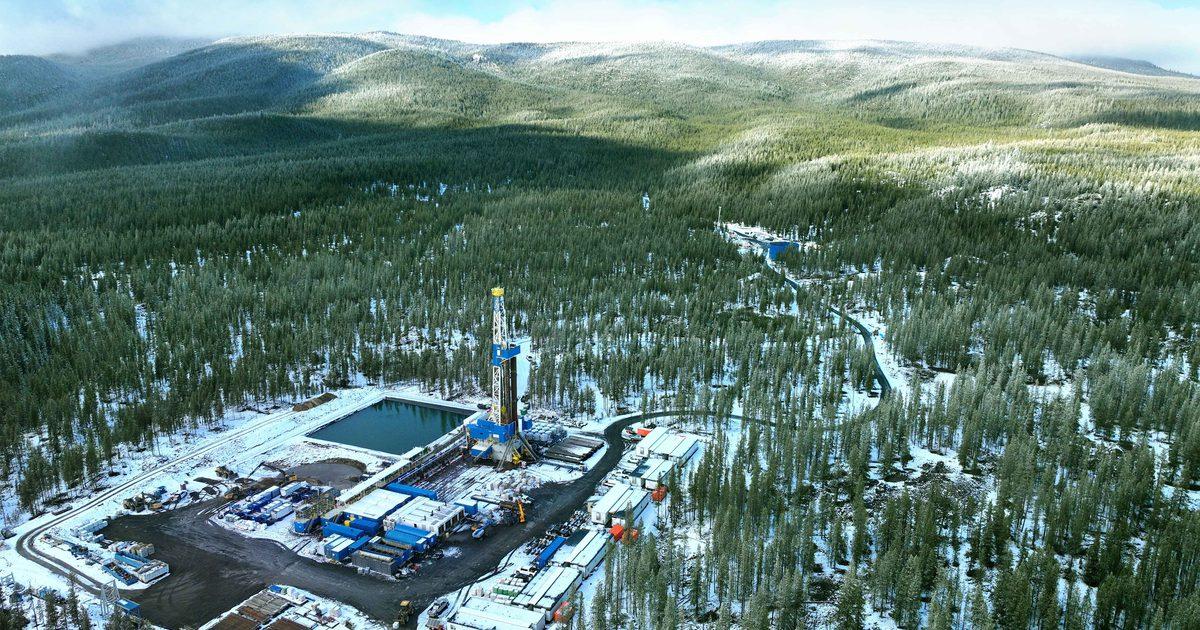
Quaise's drilling site for Project Obsidian in Central Oregon.
Image: Quaise Energy
Source · Press image from the Quaise Energy newsroom, used for news reporting.
Google signed a power purchase agreement (PPA) for 50 MW from Quaise Energy's Project Obsidian, a superhot geothermal plant planned near Newberry Volcano in Central Oregon, the companies announced on Nov. 17, 2026, with deliveries targeted as early as 2030.
Voltgrid reported the signing as news on Nov. 17. This file sets out what is being built, what Google has bought and what is still undecided. In short, Google has a contract for 50 MW of power from what Quaise calls the world's first commercial superhot geothermal plant, a supply Quaise describes as baseload. The first phase relies on conventional drilling, the second on a drilling method Quaise is still testing, and neither the term, the price nor the delivery path has been published.
How Quaise's Superhot Geothermal Drilling Works
Conventional geothermal plants tap natural hot-water reservoirs, which Quaise says rarely exceed 600°F; Utility Dive's report puts that figure at 400°F. Quaise instead builds an enhanced geothermal system: it fractures hot rock and pumps water through it to create an artificial reservoir, and the heated water drives turbines at the surface, as Canary Media describes the approach. Quaise's aim is to reach "superhot" rock, which its project site defines as above 300°C (572°F).
The first 50 MW phase uses oil-and-gas drilling tools. Canary Media reports Quaise plans to drill some 2.5 miles with conventional tools before switching to millimeter-wave drilling, in which a gyrotron sends a high-frequency beam that melts and vaporizes rock. Quaise's release says the second phase is expected to be the first to use that method anywhere. Quaise's project site says phase two is planned to add 200 MW from deeper rock below the first wells, at up to 850°F, for a 250 MW plant once complete; it does not say whether those figures are net or gross.
The company claims a superhot well can yield up to 10 times the electricity of a conventional geothermal well. That is Quaise's claim, not a measured result from Obsidian. The beam drilling has so far been shown at shallow depth, and the company's own figures vary by where they appear: the project site says more than 100 meters through granite in field conditions, Utility Dive reports 118 meters at Quaise's central Texas test site with a goal of 1 kilometer, and Canary Media reports more than 330 feet there with a goal of over 3,200 feet.
The Google PPA and the Money
The agreement is a PPA between Quaise and Google; its term, price and delivery structure have not been published. Quaise's release says Google will buy 50 MW from Obsidian, and Google's Nov. 19 blog post on its 20 years in The Dalles lists a "50 MW superhot geothermal deal with Quaise" next to a 100 MW wind agreement with Avangrid. According to the release, the power is meant for the data centers Google already runs in The Dalles, where it operates three campuses.
A Quaise spokesperson told Utility Dive the deal is valued at more than $500 million, and Canary Media says Quaise confirmed that figure. Neither company has published the contract's term or price; OPB says the companies did not disclose the sale price. The build cost is reported, not published by Quaise: Utility Dive says the two-stage buildout is expected to cost about $350 million, and Canary Media reports Quaise put the Oregon project's cost at about $350 million.
Quaise closed a $180 million Series B in August 2026, including $35 million from the drilling contractor Nabors Industries. Canary Media reports Quaise is seeking buyers for the additional 200 MW.
Permits, Timeline and What Is Undisclosed
The target first power differs slightly by page: the release says "as early as 2030", and the project site says the facility is "set to come online in 2030". Both are targets. Drilling is under way; OPB photographed the rig at the site on Aug. 27, 2026.
What is not decided or disclosed yet is most of what sets the date. The project site says Obsidian is going through environmental review as part of siting and permitting, and that Quaise coordinates with the U.S. Forest Service on fire safety, but it names no permit, lease or decision date. OPB reports Quaise must build a 10-mile transmission line from the site to the substation in La Pine, and no permit for that line has been published. No temperature or flow results from the site's wells have been released. The second phase depends on beam drilling working far deeper than it has so far, and Quaise has given it no date.
Three steps are done; first power from the 50 MW phase is a 2030 target, and the permits, well results and phase 2 have no dates.
Graphic: Voltgrid News
The 50 MW is the contracted power rating, not an amount of energy: the release gives no annual MWh figure. Because the first phase uses conventional drilling, the 2030 target rests on permits, wells and the La Pine line rather than on beam drilling, which is reserved for phase two.
What It Means for Google's Oregon Campuses
Quaise describes the supply as baseload, though no delivery obligation or firming term is public. It would join a portfolio Google describes as more than 80% carbon-free at The Dalles since 2022; the Quaise release puts the three Oregon campuses at 83%. How the power reaches them is not stated. OPB reports it would travel the grid from La Pine to The Dalles, and the release mentions only that the campuses sit in Northern Wasco County People's Utility District's territory. It does not say whether the power is delivered over the grid to the campuses or bought as a financial contract with its attributes, and no utility is named as a party.
The bet resembles Google's earlier geothermal step. Fervo Energy's Cape Station in Utah began selling power from its first 33 MW unit in September, and Canary Media reports Fervo has a deal to supply Google with nearly 400 MW from that plant. The two are not like for like: Fervo's figure is an operating unit, while Obsidian's 50 MW is contracted future supply, and Quaise's second phase rests on drilling still in testing. Mazama Energy is developing a rival superhot project near the same volcano and recently raised $135 million, Canary Media reports.
What to watch
The next facts that would firm up the 2030 target are well results from the site, the environmental and Forest Service decisions, a permit for the La Pine line, and the contract's term, price and delivery structure. Quaise has dated none of them, and no milestone is scheduled in the next two weeks. A buyer for the additional 200 MW would show whether the second phase is moving from plan to contract.
Sources
- 01Google signs 50-MW superhot geothermal PPA with Quaise EnergyUtility Diveutilitydive.com
- 02Google bets on superhot geothermal to power Oregon data centersCanary Mediacanarymedia.com
- 03Quaise Energy Signs 50 MW Geothermal Power Purchase Agreement with GoogleQuaise Energyquaise.com
- 04Google announces world’s first deal to buy commercial superhot rock geothermal energy from Central OregonOPBopb.org
- 05Building the right way: Lessons from 20 years in The DallesGoogleblog.google
- 06Project ObsidianQuaise Energyquaiseprojectobsidian.comas read on Nov 28, 2026
- Published
- Sources
- 6 cited