Sam Altman Calls PC RAM 'Quite Terrible,' Used 5% of the Time
Sam Altman told the Cheeky Pint podcast that PC RAM is a poor use of scarce DRAM supply. It is a statement, not a policy, but it lands as DDR4 prices hit a record and PC volumes fall.
Chips & Power DeskEdited by Ege Erten
3 min readAI-assisted
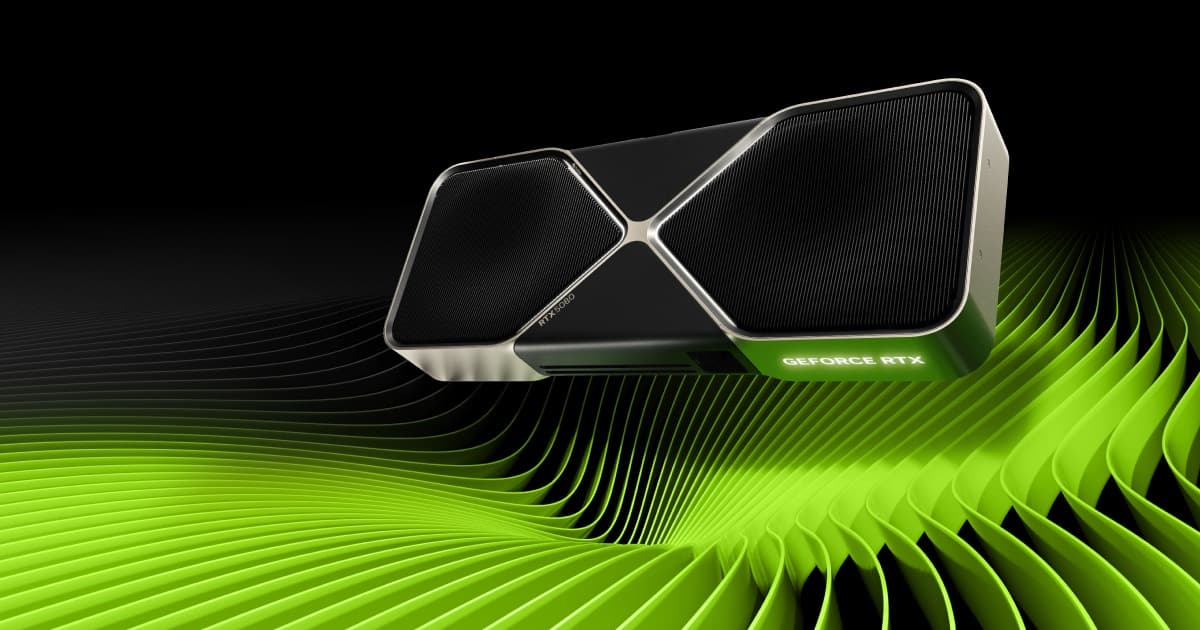
Samsung's DDR5 DRAM, the kind of memory at the center of Altman's remark. The image is a product render from Samsung, not a photo of the podcast.
Image: Samsung Semiconductor
Source · Press image from the Samsung Semiconductor product page, used for news reporting.
OpenAI CEO Sam Altman called PC RAM "quite terrible" on the Cheeky Pint podcast, released Oct. 29, saying the world's limited DRAM supply sits in personal computers that use it about 5% of the time, according to Tom's Hardware.
Altman made the remark to Stripe co-founder John Collison, who hosts the show, according to The Next Web. Tom's Hardware places it at about the 29-minute mark. Altman was answering people who expect open-source models to run on their own machines and so to cut the need for data centers. "From a global allocation perspective, actually, it's quite terrible to have everybody have a bunch of the world's limited supply of DRAM sitting in their own computer and being used 5% of the time," he said. "You want maximum utilization in the cloud," he added, "if you're trying to deal with this very supply constrained environment."
This is a statement, not a policy. Neither outlet reports a plan, product change or supply decision from OpenAI, and the 5% figure is Altman's own, offered without data. Neither Tom's Hardware nor The Next Web reports him calling for memory to be removed from PCs; his point was about local AI inference. Tom's Hardware also pointed out that OpenAI's main business is closed models that run in data centers, so the argument defends that model as well.
Why a CEO's remark moves the memory debate
The remark lands in a market where PCs are already losing the contest for DRAM. DRAMeXchange put the October contract price of DDR4 8Gb at $27.5, a record, as Voltgrid reported. TrendForce attributes the climb to memory makers adding server memory output while cutting PC DRAM supply, and expects Korean makers to cut PC DRAM production by more than 20% next year.
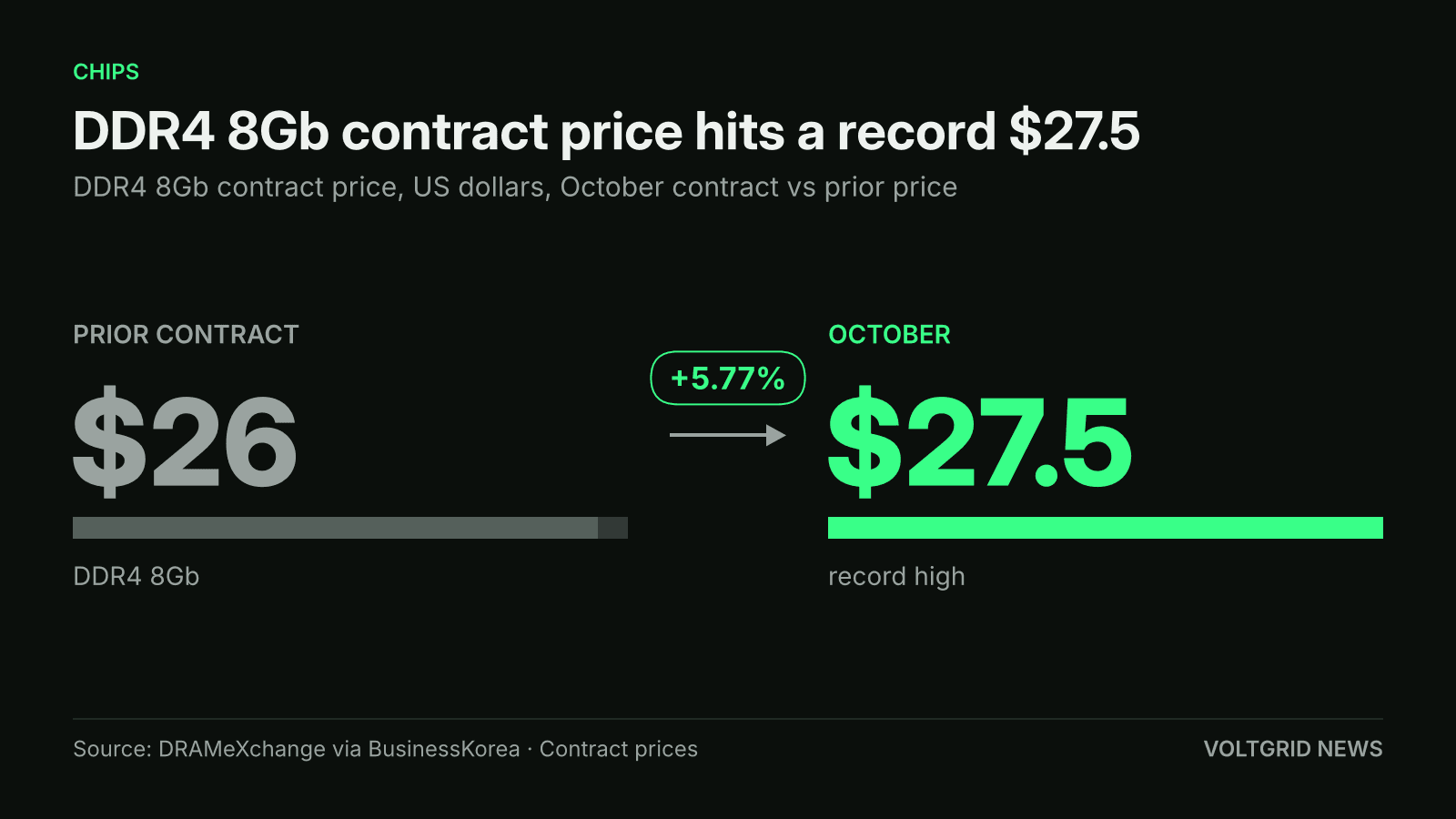
DRAMeXchange put the October DDR4 8Gb contract price at a record $27.5, up 5.77% from $26.
Illustration (AI-generated)
PC makers are planning around that squeeze. Intel's chief financial officer told analysts on Oct. 29 that the company is planning for about 10% fewer PCs in 2027, and tied any recovery to memory supply and price. Our reading: Altman's allocation argument describes a shift that suppliers are already making in their order books, whatever he meant by it.
What Altman said about supply
According to The Next Web, Collison asked why high memory and chip prices had not yet brought more supply. Altman said memory makers were each heading toward about $100 billion of free cash flow in a year, and that their history of near-bankruptcy from overbuilding keeps them careful about spending. Later in the episode he said the cost of chips and energy should fall, but that supply has to go way up first.
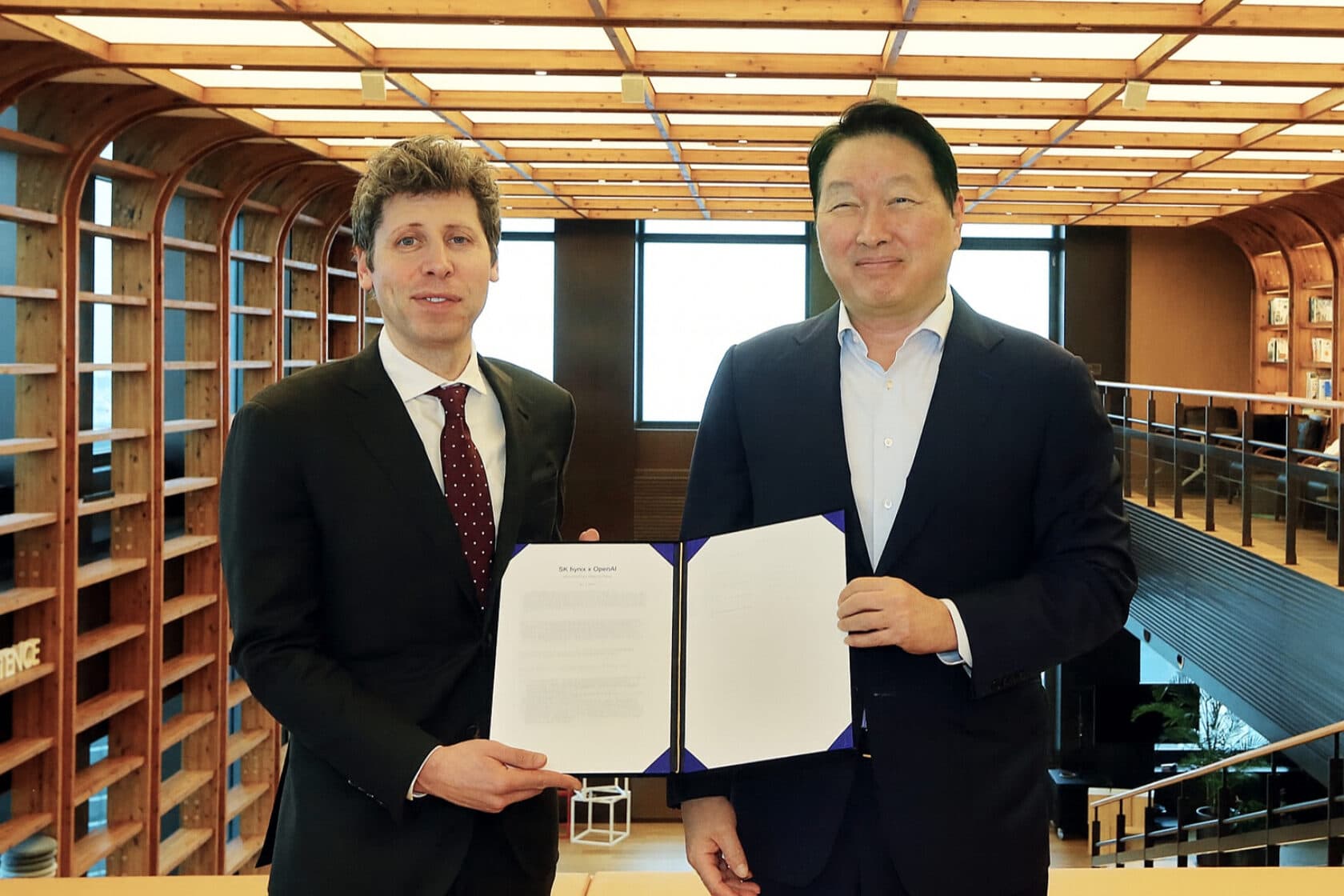
Two days after the episode, Altman was in South Korea. He met about 50 Samsung affiliate presidents and had lunch with SK Group Chairman Chey Tae-won, and no memory terms were announced. Samsung and SK hynix both make DRAM and HBM, the stacked high-bandwidth memory used on AI accelerators.
What is not confirmed yet
OpenAI has not clarified the remark, and we found no walk-back in coverage up to Oct. 31. Whether cloud DRAM is in fact used more than DRAM in PCs is Altman's claim; no utilization data for either was published. Tom's Hardware noted that the argument assumes data center buildouts will not slow down and that memory running around the clock in AI servers is worth more than memory used for browsing, gaming or occasional local AI.
The practical test is in contracts and prices, not podcasts. Watch whether memory makers shift further output to server parts in their next quarterly guidance, and whether the PC DRAM contract increase TrendForce expects for the fourth quarter holds.